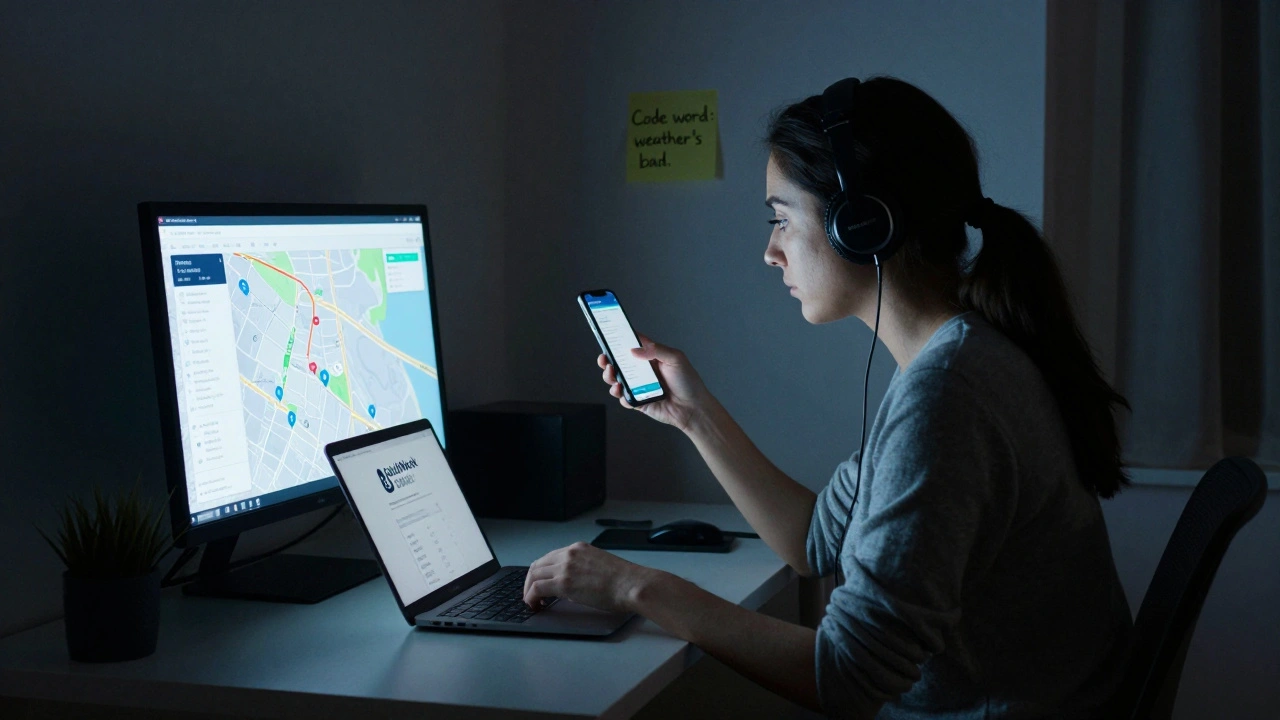
When people talk about AdultWork Dubai, the conversation often turns to listings, rates, or availability. But behind every profile is a person trying to stay safe in a high-risk job. The real debate isn’t about who’s advertising-it’s about how to keep people alive and protected while they work. And that’s where workplace safety lessons from this industry matter far beyond Dubai.
Why AdultWork Dubai Is a Mirror for Broader Safety Issues
AdultWork Dubai isn’t just a platform. It’s a live feed of how unregulated labor operates in a city with strict laws but high demand. Workers don’t have union representation. They don’t get paid sick leave. They can’t file workers’ comp claims if they’re hurt. And yet, they’re exposed to physical danger, psychological stress, and legal risk every single day.What makes this different from other gig jobs? The stakes are higher. A bad client isn’t just rude-they can be violent. A missed screening isn’t just inconvenient-it can mean exposure to disease or worse. The lack of oversight means workers are forced to become their own HR department, security team, and legal advisor.
But here’s the truth: the same safety gaps exist in other informal sectors. Delivery drivers working late at night. Cleaners in private homes. Ride-share drivers in unfamiliar neighborhoods. The difference? Those jobs are visible. Adult work is hidden. And that silence makes it easier to ignore the risks.
What Workers Are Doing to Protect Themselves
Without official support, workers on AdultWork Dubai have built their own safety systems. These aren’t theoretical-they’re survival tactics, tested in real time.- Pre-screening calls with recorded audio: Many require a 5-minute voice call before meeting. They record it and save it to a secure cloud folder. If something goes wrong, that recording becomes evidence.
- Shared location tracking: Workers use apps like Life360 or Find My to share their real-time location with a trusted friend. The friend checks in every 30 minutes. If there’s no response, they call the police.
- Code words and signals: A simple phrase like “I’m running late” means the client is acting suspiciously. “The weather’s bad” means they need help leaving immediately.
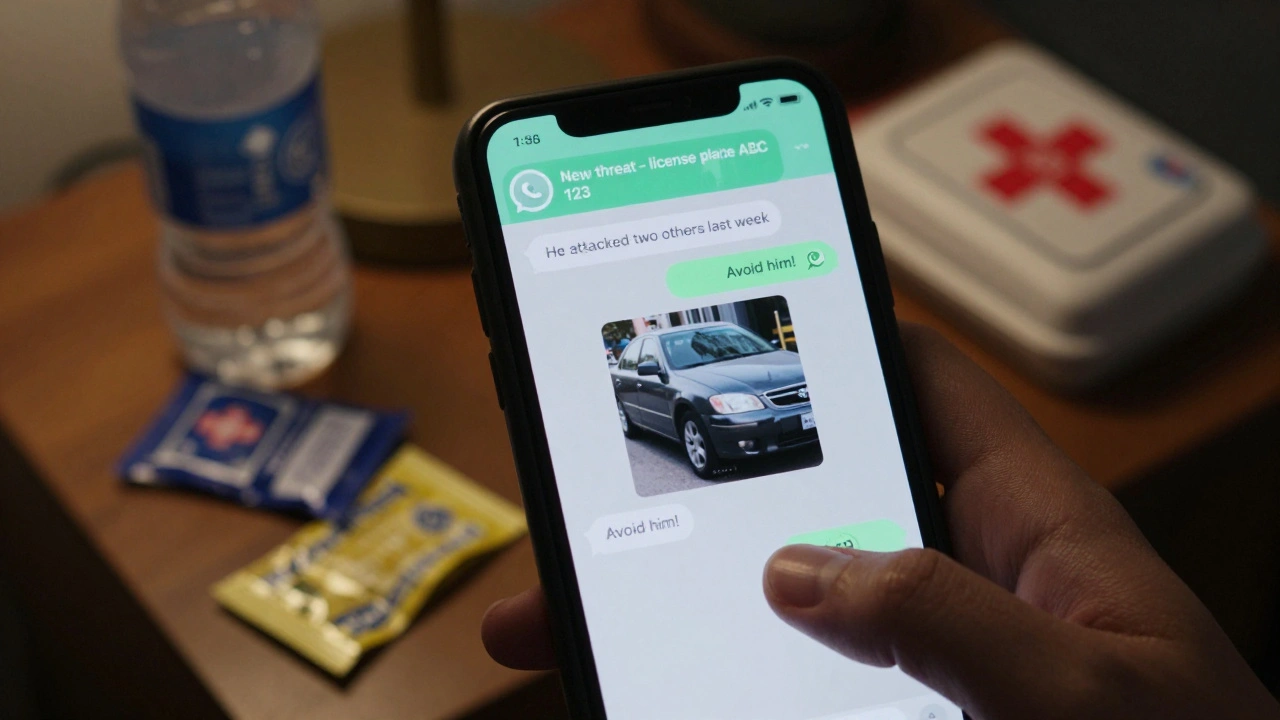
- Client blacklists shared via encrypted groups: WhatsApp and Telegram channels circulate names, license plates, and descriptions of dangerous clients. These lists are updated daily. One worker told me she avoided a man who’d attacked two others in the past month-because of a tip from someone in Manila.
These aren’t perfect. But they’re the only tools available. And they’ve saved lives.
What Employers and Platforms Could Do-But Don’t
AdultWork Dubai doesn’t require ID verification. It doesn’t offer safety training. It doesn’t vet clients. It doesn’t even have a clear reporting system for abuse. The platform treats itself as a directory, not a workplace. But if you’re using it to earn a living, it’s your workplace.Compare that to Uber’s safety features: emergency button, trip sharing, driver ratings. Or DoorDash’s insurance for injuries. These platforms know their workers face risks-and they’ve built tools to reduce them. Why doesn’t AdultWork Dubai?
The answer is simple: profit over protection. If they start verifying users or banning dangerous clients, they risk losing traffic. And traffic = revenue. So they stay neutral. They stay silent. And workers pay the price.
The Legal Trap: Criminalization Makes Safety Harder
Dubai’s laws don’t recognize sex work as legal labor. That means workers can’t report assault without risking arrest. They can’t call the police if a client steals their money. They can’t demand a safe environment because the law doesn’t see them as workers at all.This isn’t just a Dubai problem. In 70+ countries, sex work is criminalized. And every time a worker is arrested for solicitation, they’re pushed further underground. And underground = more dangerous.
Studies from the World Health Organization show that decriminalization leads to a 33% drop in violence against sex workers. In New Zealand, where sex work was decriminalized in 2003, workers report better access to health services, higher rates of condom use, and more willingness to report abuse. The same pattern shows up in parts of Australia and Germany.
So why hasn’t Dubai moved? Fear. Misconceptions. Moral panic. But the data is clear: criminalization doesn’t stop sex work. It just makes it deadlier.
What Other Industries Can Learn
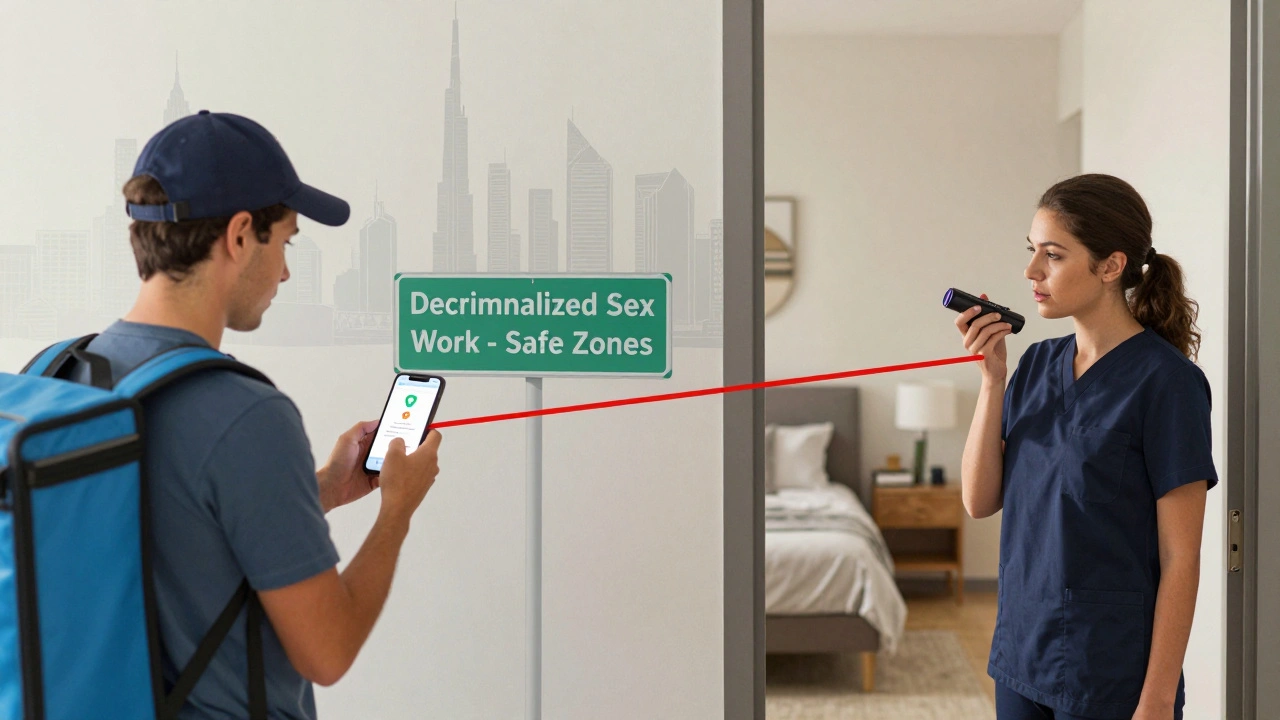
The safety measures developed by workers on AdultWork Dubai aren’t niche-they’re universal. Any job with isolation, power imbalances, or high-risk clients needs these tools.- Home care workers could use pre-visit audio calls to confirm client identity.
- Delivery drivers could share live location with a buddy system.
- Freelance contractors could build shared blacklists for abusive clients.
These aren’t radical ideas. They’re basic protections. And if a group of people working under extreme legal pressure can implement them, why can’t companies with billions in revenue?
The real question isn’t whether AdultWork Dubai is ethical. It’s whether we’re willing to protect the people using it. Because if we won’t protect them, who will?
How to Support Safer Work Conditions
If you care about workplace safety-whether you’re in Dubai, Toronto, or Tokyo-here’s what you can do:- Support organizations that advocate for sex worker rights, like SWOP or the Global Network of Sex Work Projects. They provide legal aid, health resources, and safety training.
- Push for policy change. Demand that local governments treat sex work as labor, not crime. Push for decriminalization, not regulation.
- Don’t shame workers. The stigma keeps them silent. Respect their choices. Listen to their stories.
- Amplify their safety tools. Share the code words, location apps, and screening methods. Normalize them. Make them standard.
- Hold platforms accountable. If a site profits from work that puts people at risk, it has a responsibility to act. Call them out. Demand change.
Change doesn’t start with legislation. It starts with recognizing that every person working-no matter the job-deserves to go home safe.
Is AdultWork Dubai legal in Dubai?
No, prostitution and sex work are illegal in Dubai under UAE law. While platforms like AdultWork Dubai exist and are accessible online, engaging in or facilitating sex work can lead to arrest, deportation, or imprisonment. Workers operate in a legal gray zone, which makes reporting abuse or seeking help extremely risky.
Why don’t workers just leave the industry?
Many don’t have other options. Some are supporting family back home, paying off debts, or lack access to education or work permits. Others have built client bases and income streams that are hard to replace. Leaving isn’t just a choice-it’s often a financial and social gamble with no safety net.
Are clients vetted on AdultWork Dubai?
No. AdultWork Dubai does not verify client identities, conduct background checks, or screen for criminal history. Workers must protect themselves using independent methods like pre-call screenings, location sharing, and community blacklists. The platform provides no safety infrastructure.
What’s the biggest safety risk for workers in Dubai?
The biggest risk is the legal environment. Because sex work is criminalized, workers can’t call police for help without risking arrest. This forces them into isolation, discourages reporting abuse, and makes it easier for predators to operate without consequences.
Can workers get medical help if they’re injured or exposed to disease?
Some access private clinics or NGOs that offer confidential STI testing and mental health support. But many avoid care due to fear of being reported to authorities. Access to healthcare is inconsistent and often tied to whether a worker has legal residency or can pay out-of-pocket.