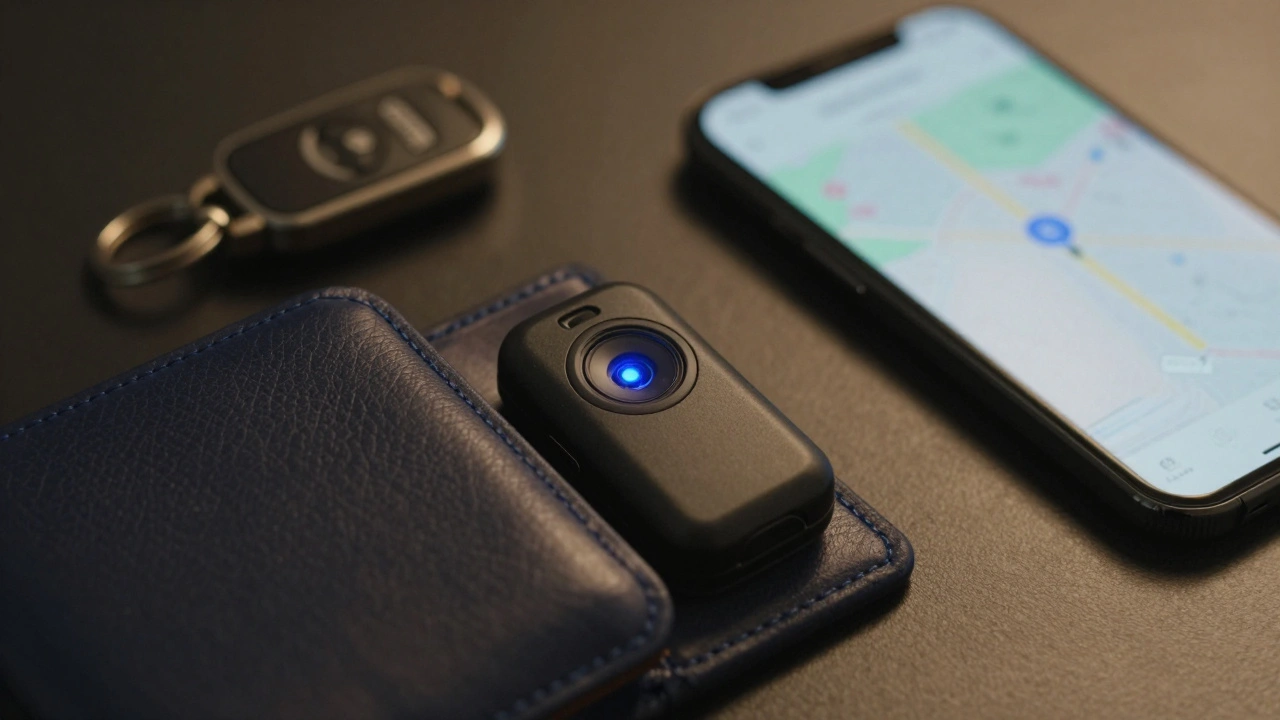
Working as an escort comes with unique risks. No matter how professional, well-screened, or experienced you are, your safety should never be left to chance. In 2025, the right tech and gadgets aren’t just helpful-they’re essential. From real-time location sharing to silent panic buttons, modern tools give you control when you need it most. This isn’t about paranoia. It’s about preparedness.
GPS Trackers That Work in Real Time
GPS trackers aren’t just for cars anymore. Small, coin-sized devices like the Tile Pro or TrackR Bravo can fit in your purse, shoe, or even taped inside a wallet. These don’t need a phone to work-they connect to Bluetooth networks and send location updates through a crowd-sourced app. If something goes wrong, you can activate a silent alert that notifies three trusted contacts with your exact coordinates. No calls. No texts. Just a silent ping with your location.
Some models, like the Pebblebee, even have built-in alarms. Tap it twice and it emits a 100-decibel sound. That’s louder than a fire alarm. It’s enough to startle someone who’s crossing a line. And because it’s Bluetooth-based, it works even if your phone is dead or locked away.
Discreet Panic Buttons You Can Hide
Imagine pressing a button that looks like a regular key fob-but instead of unlocking your car, it sends an emergency alert to your safety network. That’s exactly what devices like the SafeTrek and Circle of 6 do. These are palm-sized, lightweight, and can be clipped to your belt, tucked into a bra, or slipped into a pocket.
Setup is simple: you pick three people you trust-maybe a friend, a roommate, or a fellow escort-and link them to the app. When you press the button, it sends your live location, a voice recording of what’s happening, and a pre-written message like “I need help now.” The system doesn’t wait for a response. It calls 911 automatically if no one responds within 30 seconds.
Some models even integrate with Alexa or Google Home. Say a phrase like “I’m not safe” and your smart speaker triggers the alert, even if your phone is out of reach.
Encrypted Communication Apps
Texting a client’s number on your regular phone? That’s a data trail waiting to be exploited. In 2025, using regular SMS or WhatsApp for client communication is risky. Even encrypted apps like Signal are better than nothing, but they still leave metadata behind.
Apps like Threema and Wickr Me are built for privacy. They don’t require an email or phone number to sign up. Messages are end-to-end encrypted, self-destruct after a set time, and leave no trace on servers. Some even let you create burner profiles-fake names, numbers, and photos-so clients can’t trace you back to your real identity.
Use these apps to confirm appointments, share pickup details, and send check-in codes. Never give out your real number. Never use your personal phone for work calls. Even if you think the client is trustworthy, someone else could steal their phone. Or a landlord could subpoena records. Don’t leave a paper trail.
Smart Doorbells and In-Home Security Cameras
If you work from home or rent a room for appointments, a smart doorbell like the Ring Video Doorbell or Eufy SoloCam S340 is non-negotiable. These devices don’t just show who’s at the door-they record audio and video, send push alerts, and let you speak to visitors through your phone from another room.
Install one outside your entrance and a second one inside the room where you meet clients. Make sure the camera has motion detection and night vision. Don’t point it at the bed. Point it at the door and the main seating area. That way, you can see who enters, how they behave, and if they’re carrying anything dangerous.
Some models, like the Arlo Essential, let you set up geofencing. When you leave the house, the system arms itself. When you return, it disarms. If someone enters while you’re gone, you get an alert-and the footage is stored securely in the cloud, not on the device itself.

Vehicle Safety Tools for Escorts
If you drive to appointments, your car is part of your safety toolkit. Start with a dashcam like the Vantrue N4 or Rexing V1P. It records everything-front, rear, and inside the cabin. Some models even have infrared night vision and audio recording. If a client becomes aggressive, the footage can be used as evidence.
Pair it with a car tracker like the Spytec GL300. It’s a tiny GPS device that plugs into your OBD-II port. It tracks your location in real time and sends alerts if your car moves outside a set area. You can set up a “safe zone” around your home or office. If your car leaves that zone without you, you get a text.
Also keep a portable charger in your car. If your phone dies during a ride, you won’t be stranded. And always keep a spare key hidden in a magnetic box under the chassis. If you get locked out or someone tries to steal your car, you can still get back in.
Emergency Apps Designed for Sex Workers
There are apps built specifically for people in high-risk professions. The Red Flag App, created by sex worker advocates in Canada, lets you log client details anonymously. You enter their name, number, car license plate, and appointment time. The app stores this data securely and shares it with a network of other workers. If someone else reports the same client as dangerous, you’ll get an alert before you meet them.
Another tool is the SASHA App, used in Toronto and Vancouver. It connects you to peer networks and offers a one-tap emergency button that sends your location to local sex worker collectives. These aren’t police apps-they’re community-run. The people who answer are former escorts or advocates who understand the risks you face.
Download both. Use them together. The Red Flag App helps you avoid bad clients. The SASHA App helps you survive if things go wrong.
Personal Alarms and Wearable Tech
Wearables aren’t just for fitness anymore. Devices like the Lady Alarm and the Flashlight Panic Button combine a bright LED light with a deafening siren. Clip it to your belt or hang it from your bag. If someone grabs you, pull the pin and it blares at 130 decibels-loud enough to break glass. The light flashes in strobe mode, which can disorient someone trying to harm you.
Some models, like the Defender Security Keychain, also include a glass breaker and seatbelt cutter. That’s not just for emergencies-it’s for getting out of a car fast if you’re being forced into it.
Wear these every time you leave the house. Even if you’re just walking to your car. Even if it’s daytime. Even if you think you’re safe. Risk doesn’t always show up with a threat. Sometimes, it shows up as a quiet moment when you’re distracted.
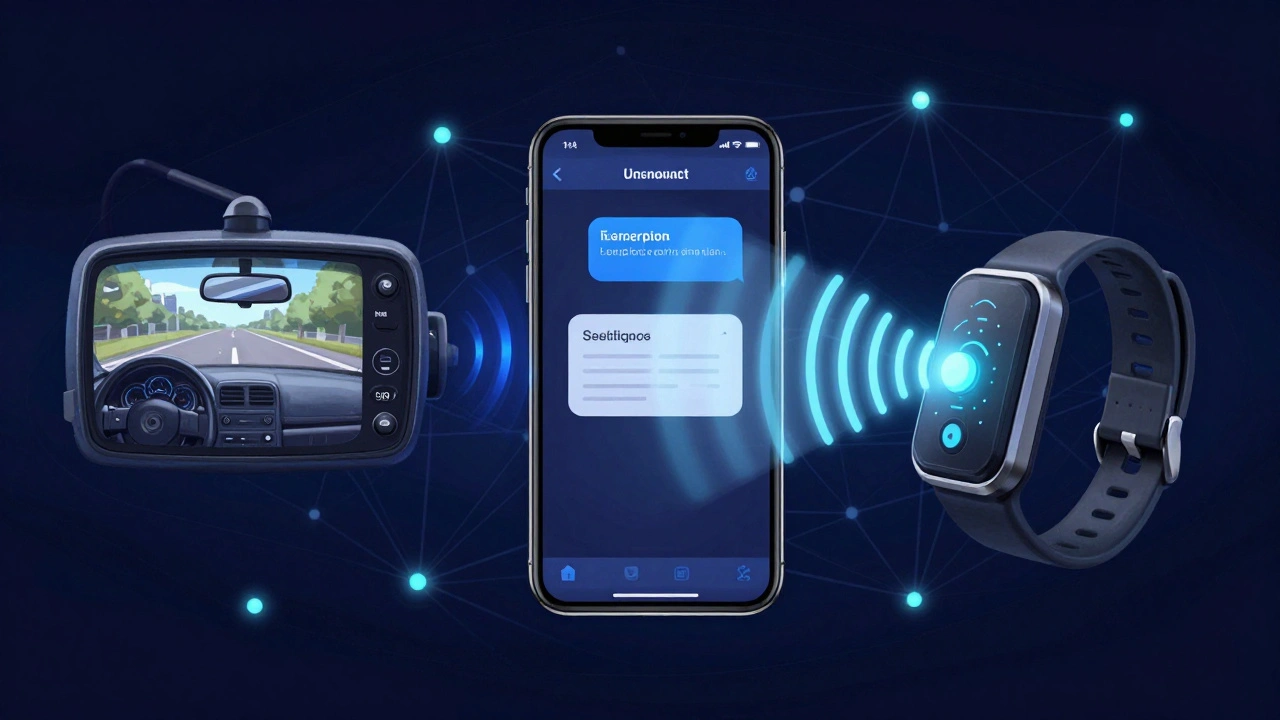
How to Build Your Safety Routine
Having gadgets isn’t enough. You need a system.
- Before every appointment: Charge all devices. Test your panic button. Confirm the client’s details in your encrypted app.
- During the appointment: Keep your phone on silent but within reach. Don’t let your guard down, even if the client seems nice.
- After the appointment: Send a check-in message to your safety contact. Say “I’m home” or use a code word like “Pizza delivered.” If you don’t send it, they call you. If you don’t answer, they call 911.
- Weekly: Review your location history. Did you go anywhere unusual? Did someone try to contact you from an unknown number? Trust your gut.
There’s no perfect system. But a layered approach-tech + routine + community-makes you harder to target.
What Not to Do
Don’t rely on your phone’s emergency SOS feature. It’s slow. It requires you to press buttons five times. It doesn’t send audio. It doesn’t notify your network. It’s designed for accidents, not targeted threats.
Don’t use public Wi-Fi to check your apps. Hackers can intercept your data. Use a VPN like ProtonVPN or Mullvad if you must connect outside your home.
Don’t ignore your instincts. If something feels off, cancel. No apology needed. No explanation. Your safety is not negotiable.
Final Thought: You Deserve to Be Safe
This isn’t about being afraid. It’s about being smart. The tools exist. The networks are growing. You don’t have to face this alone. Whether you’re new to the job or have been doing this for years, your safety isn’t a luxury. It’s a requirement. And with the right tech, you can protect yourself without giving up your independence.
Can I use my phone’s built-in emergency feature instead of a panic button?
No. Most phone SOS features require multiple button presses and don’t automatically notify your trusted contacts. They also don’t send live audio or location unless you’re already on a call. Dedicated panic buttons like SafeTrek or Circle of 6 are faster, more reliable, and designed specifically for high-risk situations.
Are these gadgets legal for escorts to use?
Yes. GPS trackers, panic buttons, encrypted apps, and dashcams are all legal for personal safety use in Canada and most Western countries. As long as you’re not recording conversations without consent in private spaces (like bedrooms), you’re within your rights. Always check local laws, but in general, protecting yourself is protected under personal safety laws.
How much should I spend on safety gear?
Start with under $150. A GPS tracker ($40), a panic button ($50), and a basic dashcam ($60) cover the essentials. You don’t need the most expensive gear-just reliable, tested tools. Many sex worker organizations offer grants or discounted gear. Reach out to local groups in Toronto or Vancouver for support.
What if my phone dies during an appointment?
That’s why you need standalone devices. A panic button with its own battery, a GPS tracker that uses Bluetooth networks, or a car tracker with its own power source will still work. Always carry a portable charger, but don’t rely on your phone being alive. Your safety gear should function independently.
Can I trust safety apps created by sex worker groups?
Yes. Apps like Red Flag and SASHA are built by people who’ve been in your position. They’re not profit-driven. They’re community-run, encrypted, and designed to protect your anonymity. They’re safer than commercial apps because they don’t collect your data or sell it to advertisers. They exist to keep you alive.
Next Steps
If you’re new to using safety tech, start with one tool: a panic button. Then add a GPS tracker. Then switch to an encrypted app. Build your system slowly. Don’t wait until something happens to act. The best time to prepare was yesterday. The second-best time is now.