
Working in escort services can feel isolating. You might spend hours alone in hotels, apartments, or cars, dealing with clients, managing bookings, and handling the emotional weight of the job. The outside world often doesn’t understand what you go through. That’s why building a real, reliable support network isn’t just helpful-it’s essential for your safety, mental health, and long-term well-being.
Start with People Who Already Get It
You don’t need to explain yourself to everyone. Some of the strongest support comes from others who are doing the same work. In cities like Toronto, Vancouver, or Montreal, there are informal networks of escorts who check in with each other. These aren’t always organized groups-they might be WhatsApp threads, private Discord servers, or even weekly coffee meetups in quiet cafés.One escort in Toronto told me she started texting two other women she met at a safe drop-off point. Now, every time she has a new client, she sends a quick message: “Going to 450 Queen St, 8 PM.” If she doesn’t check in by 10 PM, one of them calls the police. That’s not paranoia. That’s survival.
These connections aren’t about gossip. They’re about trust. You learn who’s reliable, who shares real safety tips, and who won’t judge you for needing help. Start small. Find one person you feel safe with. Ask them: “Do you ever talk to other escorts about how this job affects you?” If they say yes, you’ve found your first link.
Use Online Platforms Wisely
There are forums and private groups online where escorts share advice. Sites like AdultWork have community sections, but not all of them are safe. Some are full of scams or people looking to exploit others. Be careful about what you share.Look for groups that focus on safety, mental health, or legal rights. Avoid groups that encourage risky behavior or pressure you to see more clients than you’re comfortable with. A good group will say things like: “It’s okay to say no,” or “If you feel off, cancel and call someone.”
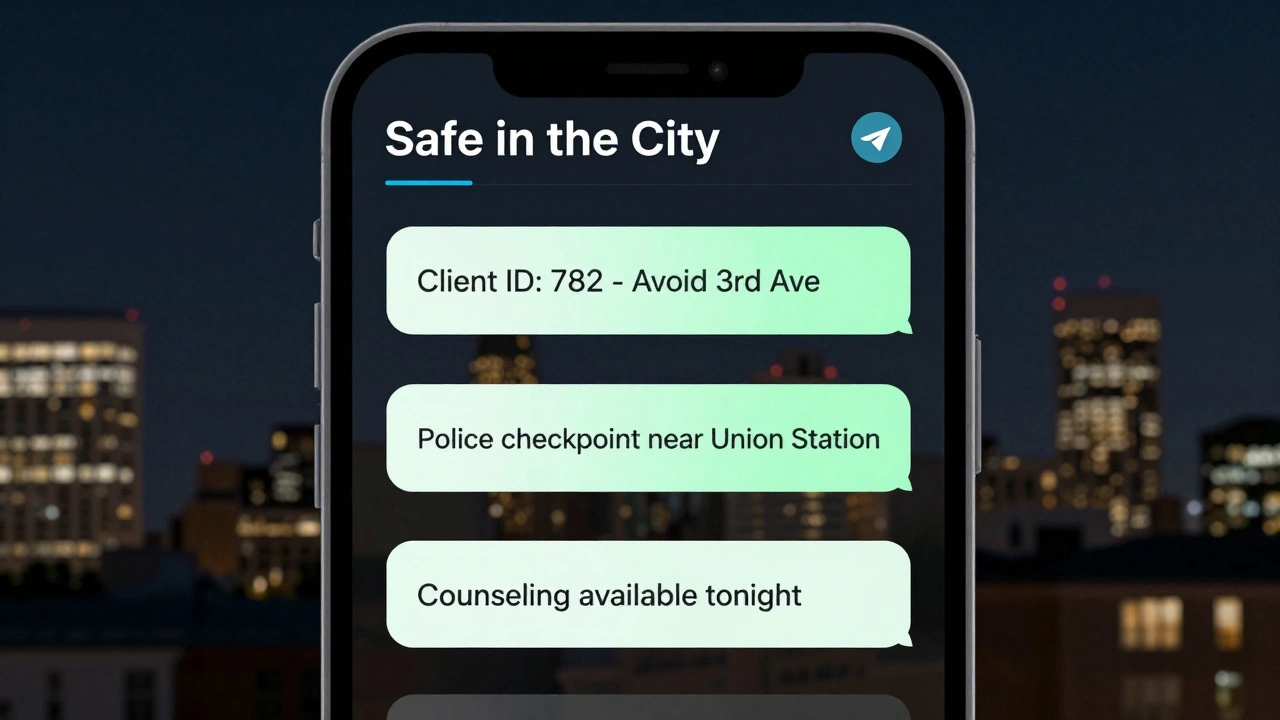
In 2024, a group of Canadian escorts launched a private Telegram channel called “Safe in the City.” It’s moderated, requires verification, and has a strict no-shaming rule. Members share real-time updates about dangerous clients, police checkpoints, and even where to find free counseling. You won’t find this on Google. You have to be invited. That’s how you know it’s real.
Find Professional Help That Doesn’t Judge
Therapists who specialize in sex work are rare, but they exist. In Toronto, organizations like St. Stephen’s Community House and Sex Workers Outreach Project (SWOP) offer free, confidential counseling. These aren’t religious groups or crisis centers-they’re run by people who’ve worked in the industry or trained specifically to support sex workers.One woman I spoke with started seeing a therapist after two bad experiences back-to-back. She thought she was just “overreacting.” Her therapist helped her realize she was showing signs of trauma, not weakness. They worked on boundaries, sleep, and how to recognize emotional burnout. She said it was the first time someone didn’t try to fix her-they just listened.
You don’t need to tell your therapist you’re an escort. Many use terms like “independent service provider” or “personal support worker.” If you’re uncomfortable, start with a hotline. In Canada, you can call Sex Work Outreach Project Canada at 1-833-777-7777. They don’t ask for your name. They just answer.
Build a Safety Circle, Not Just a List
Your support network shouldn’t just be people you text when something goes wrong. It should be a circle you can rely on daily. Think of it like a team:- The Check-In Person: Someone who asks how your day went, even if you just say “fine.”
- The Backup Driver: Someone who can pick you up if your ride cancels or if you feel unsafe.
- The Legal Contact: A lawyer or advocate who knows your rights if police or landlords come knocking.
- The Mental Health Ally: A therapist or peer who helps you process emotions without pressure.
- The Safe Space Keeper: A friend or family member who lets you crash if you need to disappear for a night.
You don’t need all five right away. Start with one. Then add another when you feel ready. The goal isn’t to have a big team-it’s to have at least one person who knows your routine and will act if you go silent.
Protect Your Privacy Without Cutting Off Connection
Many escorts worry that if they talk about their work, they’ll lose friends, family, or even housing. That’s real. But you don’t have to tell everyone everything.One woman in Ottawa told her mom she worked as a “freelance event coordinator.” Her mom thought she was organizing corporate parties. She never corrected her. But she still called her every Sunday. That connection gave her a lifeline when she was feeling broken.
You can be honest without being specific. Say: “My job is hard sometimes, but I’m okay.” Or: “I’m learning how to take care of myself better.” People respond to vulnerability, not details. If someone reacts badly, that’s their issue-not yours.
Use burner phones, separate email accounts, and encrypted messaging apps like Signal. Keep your personal life and work life on different devices if you can. That way, your support network stays safe, and so do you.

It’s Okay to Outgrow People
Not every relationship you build will last. Some people will want to fix you. Others will gossip. A few might even try to take advantage of your trust.One escort in Calgary had a “friend” who kept asking for free services. When she said no, the person started spreading rumors online. She blocked them immediately. It hurt-but it was necessary.
Support networks aren’t about keeping everyone happy. They’re about keeping you alive and sane. If someone drains your energy, makes you feel guilty, or pressures you, it’s okay to walk away. You’re not being ungrateful. You’re protecting your peace.
When Things Go Wrong, You’re Not Alone
If you’ve ever been robbed, threatened, or had a client break the rules, you know how terrifying it can be. You might feel ashamed. You might think no one will believe you.But you’re not the first. And you won’t be the last.
In 2023, a group of escorts in Toronto worked with a local advocacy group to create a reporting system for dangerous clients. They didn’t go to the police right away-they shared details in a secure database. Within weeks, another escort recognized the same name and canceled her appointment. That’s how networks save lives.
You don’t have to report anything. But if you want to, there are people who will help you do it safely. Organizations like SWOP Canada and Canadian Association of Sexual Assault Centres can guide you through legal options without forcing you to name names.
Start Today-One Step at a Time
You don’t need to join a group, hire a therapist, or call a hotline tomorrow. Just do one thing.- Text someone you trust: “Hey, how’s your week going?”
- Save a number in your phone labeled “Safe Contact.”
- Search for “sex worker support Toronto” and click on one link.
That’s it. That’s the start.
Building a support network isn’t about being strong. It’s about being smart. It’s about recognizing that you don’t have to carry this alone-even if the world tells you you should.
You’re not broken. You’re not alone. And you deserve to feel safe.
Can I build a support network without telling anyone I’m an escort?
Yes. Many people build support networks using vague terms like “freelancer,” “independent contractor,” or “service provider.” You can connect with others in the industry through encrypted apps, anonymous forums, or support hotlines without revealing your identity. Safety comes first-your privacy matters.
What if I don’t trust anyone?
It’s normal to feel this way, especially if you’ve been hurt before. Start with anonymous resources: call a hotline like SWOP Canada (1-833-777-7777), join a moderated online group, or read stories from others who’ve been where you are. Trust builds slowly. You don’t need to open up all at once.
Are there free mental health services for escorts in Canada?
Yes. Organizations like SWOP Canada, St. Stephen’s Community House, and local sexual health clinics offer free, confidential counseling specifically for sex workers. You don’t need insurance or identification. Many counselors have experience working with people in the industry and understand the unique stresses involved.
How do I know if a support group is safe?
Look for groups that prioritize privacy, don’t pressure you to share more than you want, and have clear rules against shaming or exploitation. Avoid groups that ask for personal photos, payment to join, or encourage risky behavior. If the group feels off, leave. Your gut is your best tool.
Can I get help if I’m not in Toronto?
Absolutely. Support networks exist in most major Canadian cities, including Vancouver, Calgary, Montreal, and Ottawa. National hotlines like SWOP Canada (1-833-777-7777) and online forums like Safe in the City (Telegram) are accessible no matter where you are. You don’t need to be in one city to find help.
If you’re reading this and feeling overwhelmed, take a breath. You’re not failing. You’re surviving. And survival is the first step toward building something better.