
Working in adult services in Dubai isn’t just about finding clients-it’s about navigating one of the strictest legal environments in the world. While the city thrives as a global business hub, its approach to personal data is uncompromising. If you’re an independent worker, agency operator, or even a client using platforms to connect, understanding how data privacy laws shape your daily activities isn’t optional. It’s survival.
What Data Privacy Laws Actually Cover in Dubai
Dubai doesn’t have GDPR, but it has something just as powerful: the Dubai International Financial Centre (DIFC) Data Protection Law No. 5 of 2020, and the broader UAE Federal Decree-Law No. 45 of 2021 on Personal Data Protection. These laws apply to anyone handling personal data of residents-whether you’re based in Dubai or just serving clients here.
Personal data includes names, phone numbers, email addresses, location history, payment details, and even photos or videos used for marketing. If you collect any of this from someone in Dubai, you’re legally responsible for protecting it. That means no storing client lists on unencrypted phones. No sharing contact info with third-party marketers. No using public Wi-Fi to upload client photos to social media.
Violations can lead to fines up to AED 5 million (around $1.36 million USD), and in extreme cases, criminal charges. The UAE’s data protection authority doesn’t just send warnings-they audit platforms, subpoena server logs, and work with telecom providers to trace data leaks.
How This Changes How Adult Workers Operate
Before these laws, many workers relied on WhatsApp or Telegram to coordinate with clients. Now, those chats can be used as evidence in investigations. Even if you think your conversations are private, the UAE has legal authority to access encrypted messaging data if it’s linked to a local phone number or IP address.
Independent workers who used to post photos on Instagram or Twitter to attract clients now face real risk. Posting a photo with a recognizable background-like a hotel room or a branded car-can be traced back to you. Facial recognition software, combined with location data from geotags, has led to multiple cases of workers being identified and prosecuted.
Platforms that once allowed users to search for “Dubai escorts” by name or location have either shut down locally or redesigned their interfaces to remove identifying details. Some now require users to create anonymous profiles with no real names, no photos, and no contact info visible until after a paid verification step.
The Rise of Anonymous Payment Systems
Payment is another major pain point. Banks in the UAE monitor transactions closely. If you’re receiving regular payments from unknown sources-especially in cash or crypto-your account can be flagged, frozen, or closed. Many adult workers now use prepaid debit cards bought under pseudonyms or crypto wallets with no KYC requirements.
But even crypto isn’t foolproof. The UAE’s Central Bank requires exchanges operating in the country to report transactions over AED 5,000. If you’re receiving payments from multiple wallets linked to the same IP address, regulators can trace patterns. That’s why many workers now use mixers, privacy coins like Monero, or third-party payment processors based outside the UAE.
One worker in Dubai told a journalist in 2024 that she now only accepts payments through a Canadian-based platform that doesn’t store client data. She uses a burner phone and a new SIM card every three months. Her clients pay via a one-time link that expires after 24 hours. She doesn’t keep receipts. She doesn’t save messages. She deletes everything after each job.
How Agencies Are Adapting (Or Getting Shut Down)
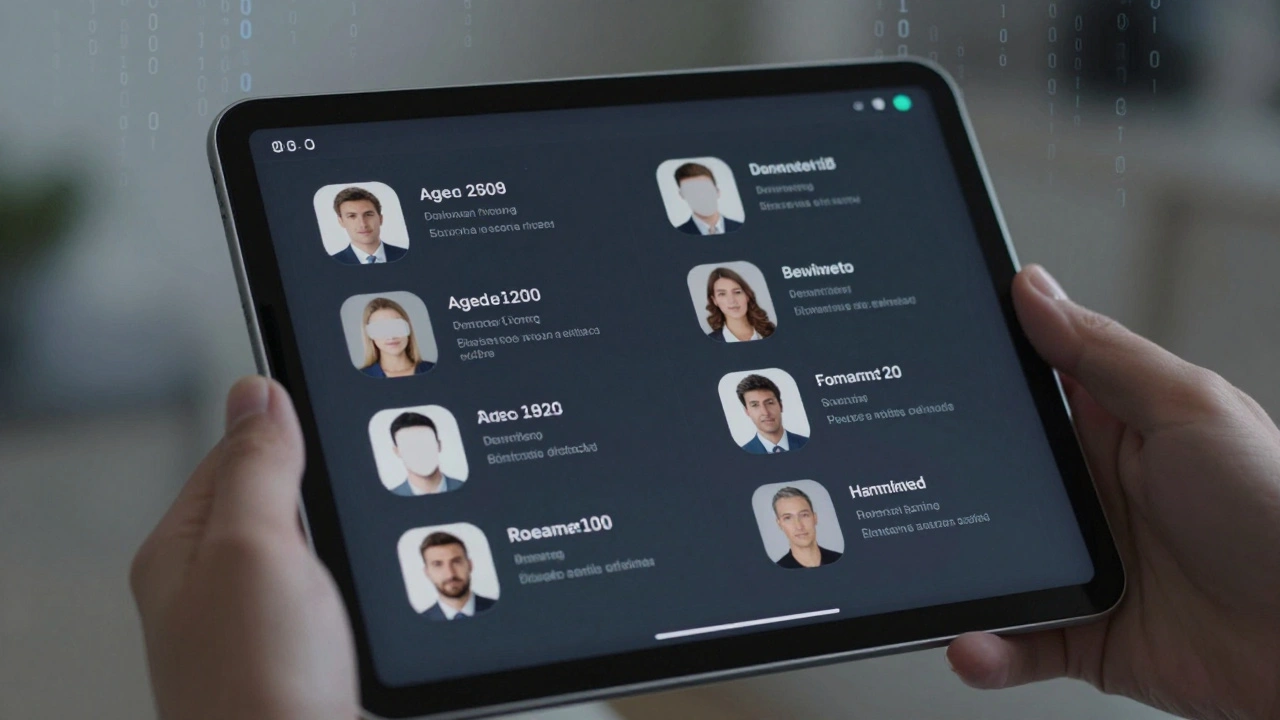
Agencies that used to run websites with photos, bios, and booking calendars are gone-or transformed. The ones still operating now use encrypted backend systems. Client requests go through automated bots that strip out personal info before forwarding to workers. No names. No numbers. No addresses. Just time, location, and service type.
One agency owner in Deira, who asked to remain anonymous, said they now use a custom app that only shows workers a client’s age range, preferred language, and payment method. The worker never sees the client’s real name or phone number until they confirm the appointment. Even then, the client’s number is masked through a virtual number service.
Those who didn’t adapt? They were raided. In 2023, Dubai police shut down three agencies after finding client databases stored on unsecured cloud servers. The files included full names, passport numbers, and home addresses. The owners faced charges under both data protection and human trafficking laws.
What Clients Need to Know Too
This isn’t just about workers. Clients are also at risk. If you’re using a platform to find services in Dubai, your digital footprint matters. Using the same email for multiple sites. Logging in from your work laptop. Paying with a credit card linked to your real name. These are all red flags.
One man in Abu Dhabi was identified after he used his corporate VPN to access a booking site. His company’s IT department flagged unusual login activity. The site’s logs showed his IP address matched his office network. He lost his job. His name was published in a local court notice.
There’s no legal way to guarantee anonymity in Dubai’s adult services space. But there are ways to reduce risk: use a dedicated device, a separate SIM card, a VPN with no logs, and crypto payments. Don’t reuse passwords. Don’t talk about work on social media. Don’t take photos that show your face or surroundings.
The Reality: You Can’t Hide Forever
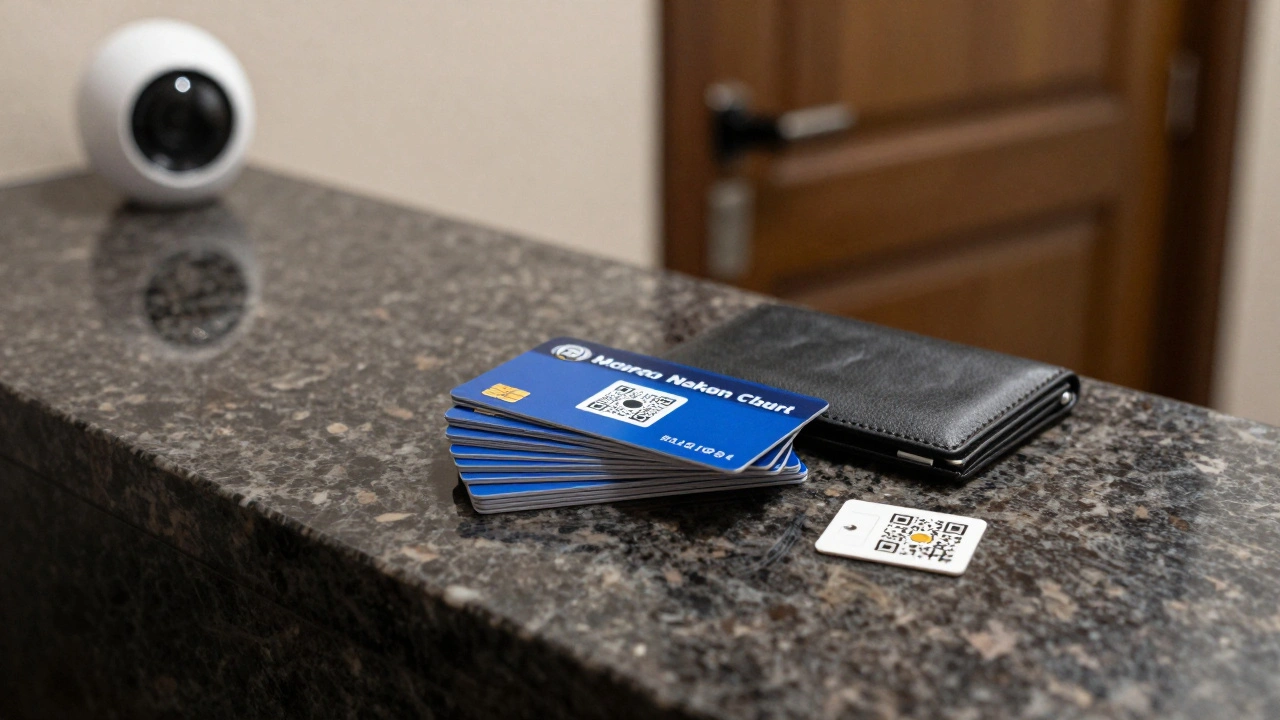
Some people think they can stay under the radar. But Dubai’s surveillance infrastructure is among the most advanced in the world. CCTV cameras with facial recognition. Mobile network tracking. AI-driven behavioral analysis. Even if you avoid digital trails, physical ones still exist.
Workers who’ve been caught didn’t get caught because they were sloppy online. They got caught because they were seen leaving a hotel with a client. A security camera picked them up. A neighbor reported the car. A cleaning staff member recognized the person from a previous visit.
Data privacy laws aren’t the only threat-they’re just the most visible one. The real danger is the combination of technology, strict enforcement, and zero tolerance for ambiguity.
What’s the Future?
The trend is clear: adult work in Dubai is moving underground, digital, and decentralized. Platforms are disappearing. Cash transactions are rising. Workers are forming tight-knit networks that communicate through encrypted channels and meet in locations that change weekly.
There’s no legal path to operate openly. There’s no safe app. There’s no guarantee of privacy. The only thing that works is extreme caution, constant adaptation, and the willingness to walk away if things feel risky.
If you’re considering this work in Dubai, ask yourself: Are you ready to live with the constant pressure of being watched? Are you prepared to lose everything-your job, your reputation, your freedom-if one mistake is made?
The answer isn’t in the law. It’s in your choices.
Are adult services legal in Dubai?
No, adult services are not legal in Dubai. Prostitution, solicitation, and operating brothels are criminal offenses under UAE federal law. Even offering companionship for payment can be interpreted as illegal activity if it involves sexual services. Enforcement varies, but penalties can include deportation, imprisonment, and fines.
Can I use WhatsApp to contact clients in Dubai?
Technically, WhatsApp is allowed in Dubai, but using it for adult work is extremely risky. The UAE government can access WhatsApp messages if they’re linked to a local phone number or IP address. Authorities have used chat logs as evidence in criminal cases. Even encrypted messages can be traced back to your device or SIM card.
What happens if I get caught violating data privacy laws?
If you’re found violating UAE data protection laws, you could face fines up to AED 5 million (about $1.36 million USD), criminal prosecution, deportation, and a permanent ban from re-entering the country. If your actions are tied to illegal adult services, penalties are doubled. Your devices may be seized, and your digital footprint will be analyzed for evidence.
Do I need to register as a business to offer adult services in Dubai?
No, and you shouldn’t try. There is no legal way to register an adult services business in Dubai. Any attempt to do so-using a freelance license, a tourism permit, or a shell company-will trigger immediate investigation. Authorities cross-check business registrations with financial and communication records. Even a registered LLC can be shut down if linked to illegal activity.
Can I use crypto to get paid safely in Dubai?
Crypto offers more privacy than bank transfers, but it’s not risk-free. UAE-licensed exchanges must report transactions over AED 5,000. If your wallet receives repeated payments from multiple users, regulators can trace patterns. Using privacy coins like Monero or mixing services reduces risk, but you still need to avoid linking your identity to any wallet address. Never use the same wallet for personal and work transactions.