Adult Work Dubai: Workplace Safety Checklists for Independent Workers
If you're working as an independent adult service provider in Dubai, safety isn't just a suggestion-it's your first line of defense. Unlike cities with regulated adult industries, Dubai operates under strict legal boundaries where adult work exists in a gray zone. That means you can't rely on employers, unions, or government oversight to protect you. Your safety depends entirely on your own preparedness, awareness, and discipline.
There are no official safety guidelines published by authorities for this work. But that doesn’t mean you’re on your own. Workers in similar environments across the region have built practical, real-world checklists based on hard lessons. These aren’t theoretical. They’re the same steps used by people who’ve avoided scams, violence, and legal trouble-and they can keep you safe too.
Before You Meet: Verify the Client
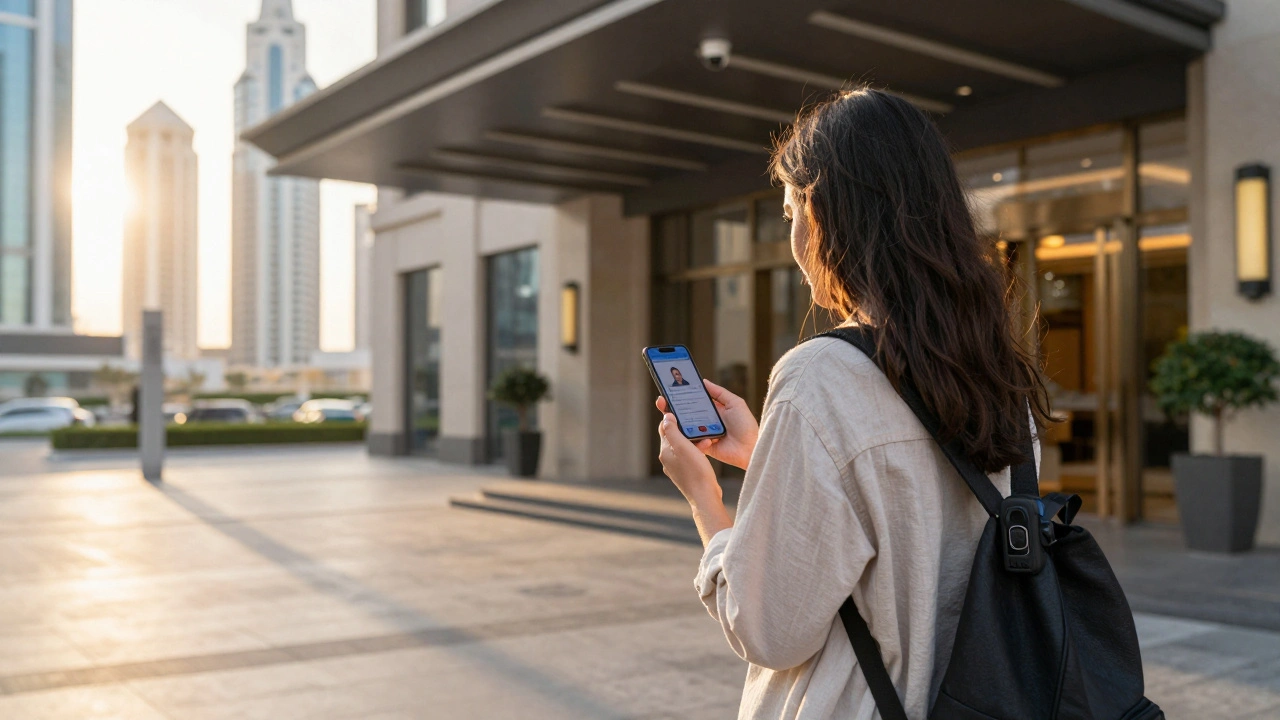
Never go to a meeting without confirming who you’re dealing with. A name on a profile isn’t enough. Ask for a clear photo of the client holding a handwritten note with today’s date and your name. If they refuse, walk away. Most scams start with fake identities.
Use a trusted third-party verification service if available. Some independent workers in Dubai use local phone verification apps that cross-check numbers against known profiles. Even basic checks like searching the client’s name + “Dubai” + “review” or “scam” can uncover red flags. If the same name pops up with complaints about non-payment, hidden cameras, or threats, don’t take the risk.
Always confirm the meeting location before leaving your home. Avoid private residences unless you’ve vetted the building, the landlord, and the neighborhood. Shared apartments, hotel rooms with front desk access, or co-working spaces with 24/7 security are safer bets. If the client insists on a remote villa or isolated area, say no. No job is worth your life.
Communication: Keep a Digital Trail
Text messages and voice calls can disappear. But screenshots, timestamps, and recorded logs don’t. Before every meeting, send a quick message to a trusted friend or colleague: “Meeting at [time] at [address]. Client name: [name]. Will check in at [time].” Then, set a silent alarm on your phone to remind you to send a follow-up.
Use encrypted apps like Signal or Telegram-not WhatsApp or SMS. Avoid sharing your real phone number. Use a burner number registered under a friend’s name or a virtual number from a local provider. Never give out your home address, workplace, or personal details. Even if the client seems polite, they might share your info with someone else later.
Record audio or video of the meeting room entrance if you can do it discreetly. Many workers use a small dashcam clipped to their bag or a phone mounted on a tripod. It doesn’t need to capture the entire interaction-just the moment you enter and exit. If something goes wrong, this footage can help police identify the location and time.

On-Site: Control the Environment
Arrive before the client. Walk around the space. Check for hidden cameras. Look behind mirrors, under furniture, in air vents, and near power outlets. Use your phone’s camera to scan for infrared dots-many hidden cameras emit them. If you spot one, leave immediately. Don’t argue. Don’t confront. Just walk out and call your contact.
Never let the client lock the door. If they try, say you’ll wait in the hallway until they’re ready. If you’re in a hotel, ask for a room with a deadbolt and a peephole. Avoid rooms with only a chain lock. Always keep your bag, phone, and keys within arm’s reach. Never hand over your phone, even to charge it. If the client asks to see your ID, offer a copy of your profile photo instead of your passport or Emirates ID.
Keep your clothes on until you’re fully comfortable. If the client tries to rush you into undressing, pause. Say you need to check your phone or take a drink. Use that moment to send a pre-written alert to your safety contact: “Code Red. Need help.” That phrase triggers your network to call the police or track your location.
Payment: Never Trust Verbal Promises
Always get paid before any physical contact. Cash is safest-but only if you count it in front of them. If they offer bank transfer, insist on seeing the transaction receipt on their phone before you proceed. Screenshots of bank apps aren’t proof. Real-time confirmation from the bank’s official app is required.
Avoid any client who says, “I’ll pay you later,” “I’ll send it tomorrow,” or “My account is frozen.” These are classic lines used by scammers. If you’ve been paid before, don’t assume they’ll pay again. Treat every job like it’s your first. Keep receipts. Write down the amount, time, and method of payment in a private notebook or encrypted note app.
Some workers use digital wallets like Apple Pay or Google Pay with a secondary account linked to a fake name. That way, if the payment is reversed or flagged, your main account stays untouched. Never link your real bank account to any work-related payment system.
After the Meeting: Debrief and Document
Once you’re back in a safe space, take five minutes to write down what happened. Not for legal reasons-because memory fades fast. Note the client’s voice, accent, tattoos, smell, clothing, car model, or any odd behavior. Even small details matter. If something goes wrong later, these notes help police build a profile.
Update your safety contact. Send a simple message: “All clear.” That tells them you’re safe and resets the alarm system. If you don’t send it, they’ll call you. If you don’t answer, they’ll call the police.
Change your location if you feel watched. Don’t go straight home. Take a detour. Ride a taxi you didn’t book yourself. Use public transport for a few stops. Scammers often follow workers to learn routines. Disrupting your pattern makes you harder to target.
Emergency Plan: What to Do If Something Goes Wrong
You might not need it. But if you do, you’ll wish you had it ready.
- Keep a list of emergency contacts: a local lawyer, a trusted friend, and a number for Dubai Police (999).
- Save the address of the nearest hospital and police station in your phone’s notes.
- Know the location of your country’s embassy. Even if they can’t intervene legally, they can help with documentation and communication.
- Carry a small personal alarm. It doesn’t need to be loud-just enough to draw attention. Many workers use keychain alarms that emit a 120-decibel scream.
- If you’re detained, threatened, or forced into a situation, say nothing. Don’t argue. Don’t resist. Say “I’ll cooperate.” Then wait. Your silence gives you time. Police and lawyers can help more if you’re alive and unharmed.
There are no guarantees in this line of work. But you can stack the odds in your favor. Every checklist item you follow reduces risk. Every habit you build makes you harder to exploit.
Common Mistakes to Avoid
- Meeting alone in a car-never. Even if the client offers a luxury ride.
- Using the same location repeatedly-makes you predictable.
- Accepting gifts or favors from clients-it creates obligation.
- Drinking alcohol or taking drugs before or during a meeting-impairs judgment and leaves you vulnerable.
- Believing someone is “different” because they’re polite or well-dressed-scammers are often charming.
Don’t let guilt or fear keep you from setting boundaries. You’re not obligated to please anyone. Your safety comes first-always.
Final Reminder: You Are Not Alone
There are networks of independent workers in Dubai who share real-time alerts. Some use private Telegram groups to warn each other about known offenders. Others exchange safe locations, trusted drivers, and legal contacts. You don’t have to figure this out alone.
Find one person you trust. Share your checklist. Practice your emergency signals. Make a plan. Then stick to it. No matter how busy you are, no matter how much money is on the line-your life is worth more.
Is adult work legal in Dubai?
No, adult work is not legal in Dubai. All forms of prostitution and commercial sex work are prohibited under UAE law. While enforcement varies, individuals involved can face arrest, fines, deportation, or imprisonment. There are no licensed venues or legal protections for workers in this industry. Safety measures are entirely self-managed.
Can I use a fake name when working in Dubai?
Yes, using a pseudonym is standard practice. Many workers use stage names, fake photos, and burner phones to protect their identity. Avoid linking your real name, passport, or social media to your work profile. Even small details like your accent, clothing style, or phone number can be used to trace you back. The less personal info you give, the safer you are.
What should I do if a client refuses to pay?
Do not confront or threaten them. Leave immediately. Call your safety contact and report the incident. Do not try to recover payment yourself. In Dubai, reporting a non-payment can put you at legal risk. Instead, document the client’s details and share them with trusted worker networks. Many workers maintain private blacklists to warn others. Your silence protects you; your warning protects others.
Are there safe places to meet clients in Dubai?
Yes-but they’re limited. Hotels with 24-hour front desks, co-working spaces with security cameras, and public lounges in malls are the safest options. Avoid private residences, villas, and remote areas. Always choose a location where staff can see you enter and exit. If you’re unsure, ask another worker for recommendations. Many use the same trusted spots repeatedly because they’ve tested them over time.
How do I know if a client is a police officer or undercover?
There’s no foolproof way. But officers rarely use real names or verified profiles. Be suspicious of clients who ask unusual questions about your legal status, ask for your ID too early, or insist on meeting in unusual places like police station parking lots. If you feel uneasy, end the meeting. You don’t need to prove anything. Walk away. Your instinct is your best tool.