
If you're working as an escort, you know the job can be flexible and financially rewarding. But it also comes with real risks-especially from people who want to take advantage of you. Scams and fraud aren’t rare in this line of work. They happen every day, in cities like Toronto, London, and beyond. The difference between walking away with payment and walking away with nothing-or worse-is knowing what to look for. This isn’t about fear. It’s about awareness. And preparation.
How Scammers Target Escorts
Most scams start with a message that feels too good to be true. A client offers double your rate. They want to book you for a week. They say they’re a CEO, a doctor, or a diplomat. They send a fake ID or a blurry photo of a luxury hotel. They’re polite, professional, even charming. That’s the trap.
These aren’t random people. They’re organized. Some work alone. Others run groups that test new targets, share lists of ‘easy marks,’ and recycle the same scripts across multiple platforms. They don’t care about sex. They care about your time, your money, your personal info. And they’ll use anything to get it.
Red Flag #1: They Refuse Video Call Before Meeting
Legitimate clients understand safety. If you ask for a quick video call before agreeing to meet, they’ll say yes. If they say no, or give an excuse like “my camera’s broken” or “I’m in a meeting,” that’s a hard red flag.
Real people don’t mind showing their face for 30 seconds. Scammers avoid video because they’re using stolen photos, fake names, or are hiding something else-like a criminal record or a history of theft. A video call doesn’t have to be long. Just long enough to see their eyes, hear their voice, and confirm they’re not reading from a script.
Red Flag #2: Payment Requests Before the Appointment
Any client who asks you to pay them first is running a scam. This comes in many forms:
- “I need to cover your travel expenses upfront.”
- “I’ll send you a deposit via PayPal, but you have to send me the balance first.”
- “I’m using a third-party service to verify you-pay the $50 fee.”
None of these are real. No legitimate client pays you to work. You get paid after the service is completed. If someone asks you to send money-even if they promise to refund it later-walk away. It’s a classic advance-fee fraud. You’ll send the cash, and they’ll vanish.
Red Flag #3: Payment Methods That Can’t Be Traced
Good clients pay with methods that leave a paper trail: bank transfer, verified PayPal, or cash in person. Bad ones push for untraceable options:
- Gift cards (Apple, Amazon, Google Play)
- Cryptocurrency (Bitcoin, Ethereum) with no ID verification
- Wire transfers via Western Union or MoneyGram
Why? Because once you send it, you can’t get it back. Gift cards are turned into cash within minutes. Crypto is irreversible. Wire transfers go overseas. If you’re paid in any of these, you’re not being paid-you’re being robbed.
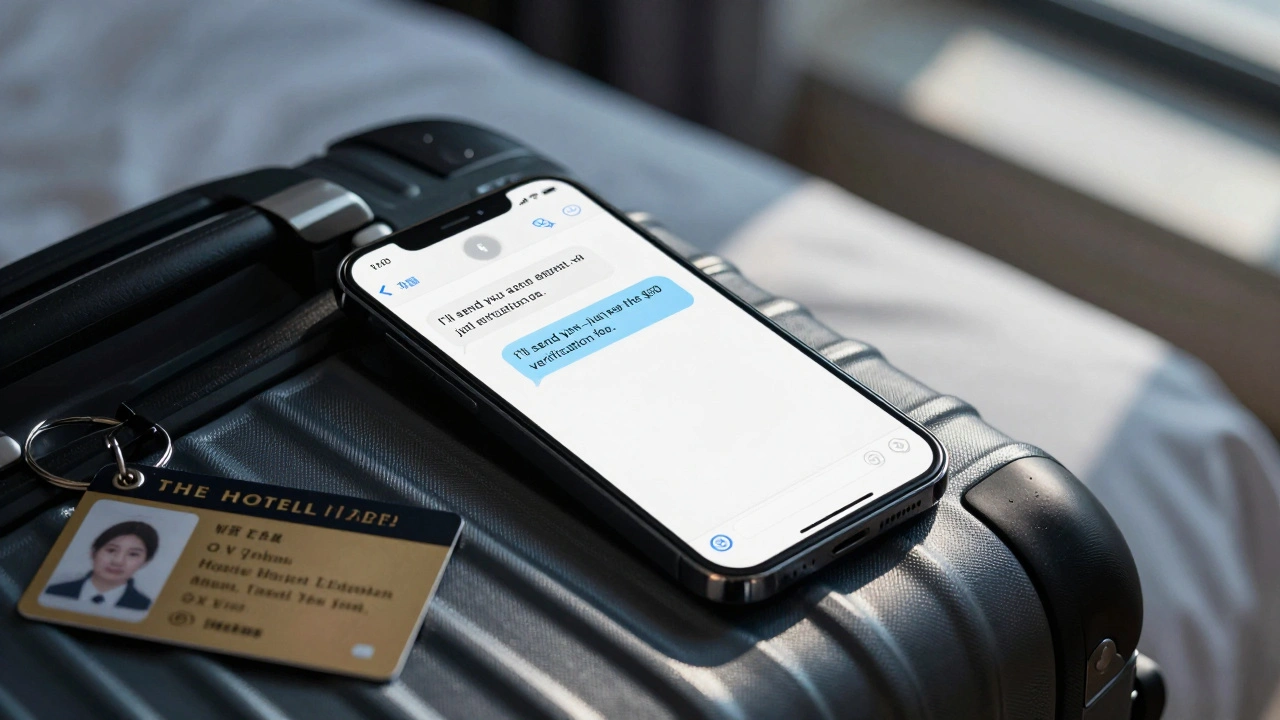
Red Flag #4: They Want to Meet in a Private Residence
Meeting at your place? Risky. Meeting at theirs? Dangerous. Scammers often suggest meeting in a private home, Airbnb, or hotel room they’ve rented under a fake name. Why? Because it’s isolated. No staff. No cameras. No witnesses.
Always meet in a public space first-even if it’s just for a coffee or a drink. If they push to go somewhere private before you’ve verified them, that’s a major warning. If you do agree to a private meeting, tell a friend where you’re going. Send them your location. Set a check-in time. If you don’t check in, they call the police.
Red Flag #5: Overly Detailed Backstory or Fake Credentials
Scammers often over-explain. They’ll tell you they’re a retired Navy SEAL, a billionaire investor, or a diplomat with diplomatic immunity. They’ll show you a fake LinkedIn profile, a forged business card, or a photo with a celebrity. They want you to feel impressed. To lower your guard.
Real people don’t need to prove who they are. They just show up. If someone spends five minutes selling you their story, they’re not a client-they’re a con artist. Trust your gut. If it feels like a movie plot, it probably is.
Precautions That Actually Work
Knowing the red flags isn’t enough. You need systems.
Use a Screening Checklist
Before you meet anyone, run through this:
- Did they agree to a video call? Yes or no?
- Did they offer to pay in cash or traceable method? Or did they push gift cards/crypto?
- Did they ask you to pay them? If yes, block them.
- Is the meeting location public? If not, reschedule.
- Have you told someone where you’re going and when you’ll be back?
If even one answer is “no,” don’t go.
Keep Your Info Private
Never give out your real name, address, phone number, or social media profiles to new clients. Use a burner phone for bookings. Use a PO box or virtual address if you need to list one. Your safety isn’t worth sharing your identity.
Use Reputable Platforms
Platforms like AdultWork, Eros, or other vetted sites have reporting systems, user reviews, and moderation teams. They’re not perfect-but they’re safer than random Facebook groups or Telegram channels. If someone tries to move the conversation off-platform early, that’s a red flag. Legit clients don’t pressure you to leave the site.
Trust Your Instincts
You’ve felt it before. That tightness in your chest. The voice in your head saying, “Something’s off.” That’s not anxiety. That’s your body recognizing danger. Too many escorts ignore that feeling because they don’t want to lose a booking. Don’t make that mistake. Cancel the appointment. Block the number. Walk away.

What to Do If You’ve Been Scammed
If you’ve already sent money, shared your info, or met someone who turned dangerous:
- Don’t confront them. They may escalate.
- Save all messages, screenshots, and transaction records.
- Report the profile to the platform immediately.
- File a report with local police-even if you think they won’t act. It helps build a case.
- Change your passwords and monitor your bank accounts.
- Reach out to organizations like the Sex Workers’ Outreach Project (SWOP) or local support groups. You’re not alone.
Common Myths About Escort Scams
Let’s clear up some lies you’ve probably heard:
- “If they’re nice, they can’t be a scammer.” Scammers are trained to be charming. Kindness is a tool, not a sign of honesty.
- “I’ve done this before and never had a problem.” One good experience doesn’t mean the next one will be safe. Scammers adapt. So should you.
- “Only new escorts get scammed.” No. Even experienced workers get targeted. The most common victims are those who think they’re too smart to be fooled.
Scams don’t care how long you’ve been doing this. They care if you’re not paying attention.
Final Rule: Your Safety Comes First
There’s no booking worth your safety. No client worth your peace of mind. No dollar amount that justifies risking your life or freedom.
Working as an escort is your choice. But you don’t have to accept danger as part of the job. You have the right to screen, to say no, to walk away. Every time. No apologies.
Stay sharp. Stay safe. And remember: the best clients don’t need to convince you they’re real. They just show up, pay, and leave.
What should I do if a client asks for gift cards as payment?
Never accept gift cards. This is a 100% scam. Gift cards are untraceable and can be cashed out in minutes. Legitimate clients pay with cash, verified bank transfers, or PayPal. If someone pushes gift cards, block them immediately and report the profile to the platform.
Is it safe to meet a client at a hotel room?
It’s risky. Many scams happen in private hotel rooms because there are no staff or cameras. Always meet in a public place first-even just for coffee. If you do agree to a private meeting, tell a friend your location, set a check-in time, and keep your phone charged. Never go alone without a safety plan.
How can I verify if a client is real?
Ask for a video call before meeting. Ask for their full name and check it against public records or the platform’s profile. Look for consistent details across messages. Real clients don’t mind answering simple questions. Scammers avoid them. If they’re evasive, they’re not real.
Should I use my real name when booking?
No. Use a pseudonym. Never share your real address, phone number, or social media. Use a burner phone for bookings. Keep your personal life separate from your work. This isn’t paranoia-it’s standard practice for safety.
What platforms are safest for finding clients?
Platforms like AdultWork, Eros, and other vetted sites have moderation, user reviews, and reporting tools. Avoid random Facebook groups, Telegram channels, or Craigslist. These have no oversight and are full of scammers. Stick to platforms that allow you to verify clients and report bad behavior.