When people think of adult work in Moscow, they often picture hidden alleyways, risky encounters, or media headlines about exploitation. But behind the stigma, a quiet network of NGOs and clinics has been working for over a decade to change lives-not by shutting down sex work, but by making it safer, healthier, and less isolating.
What Adult Work in Moscow Really Looks Like Today
Adult work in Moscow isn’t one thing. It’s a mix of independent workers using apps, people advertising on platforms like AdultWork Moscow, and others who rely on informal networks. Many are women, but not all. Some are students, immigrants, single parents, or people recovering from financial crises. A 2024 survey by the Moscow-based group SafePath found that 68% of sex workers in the city were not trafficked, but entered the work voluntarily due to lack of other income options.The legal gray zone makes everything harder. Sex work itself isn’t illegal in Russia, but soliciting, advertising, or organizing it is. That means workers can’t openly access healthcare, report violence, or even ask for help without risking arrest. Many avoid hospitals altogether. Others pay out of pocket for basic care, skipping STI tests or prenatal visits because they fear being reported.
How NGOs Step In Where the System Doesn’t
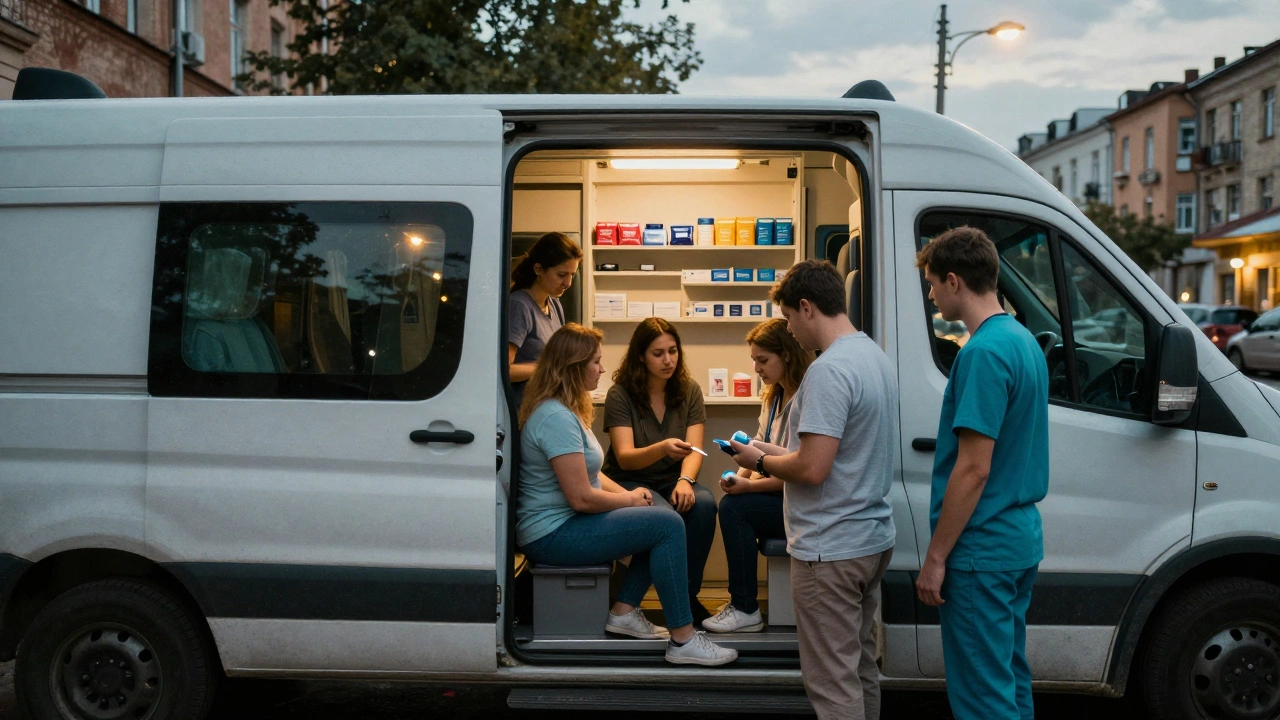
Organizations like SafePath, Open Door Moscow, and HealthFirst Russia don’t try to change people’s choices. They meet them where they are.SafePath runs weekly mobile clinics in areas like Krasnoselsky and Zelenograd, where many workers gather. Their vans carry condoms, lubricant, HIV test kits, clean needles, and basic first aid. Staff don’t judge. They ask: “Do you need a test today?” or “Can we help you find a lawyer?”
Open Door Moscow offers free legal advice for workers facing police harassment or eviction. In 2023, they helped 217 people challenge unlawful fines or detention. One woman, Maria, was arrested after a client reported her for “public solicitation.” She hadn’t even been on the street-she was waiting for a ride outside her apartment. Open Door got the charges dropped.
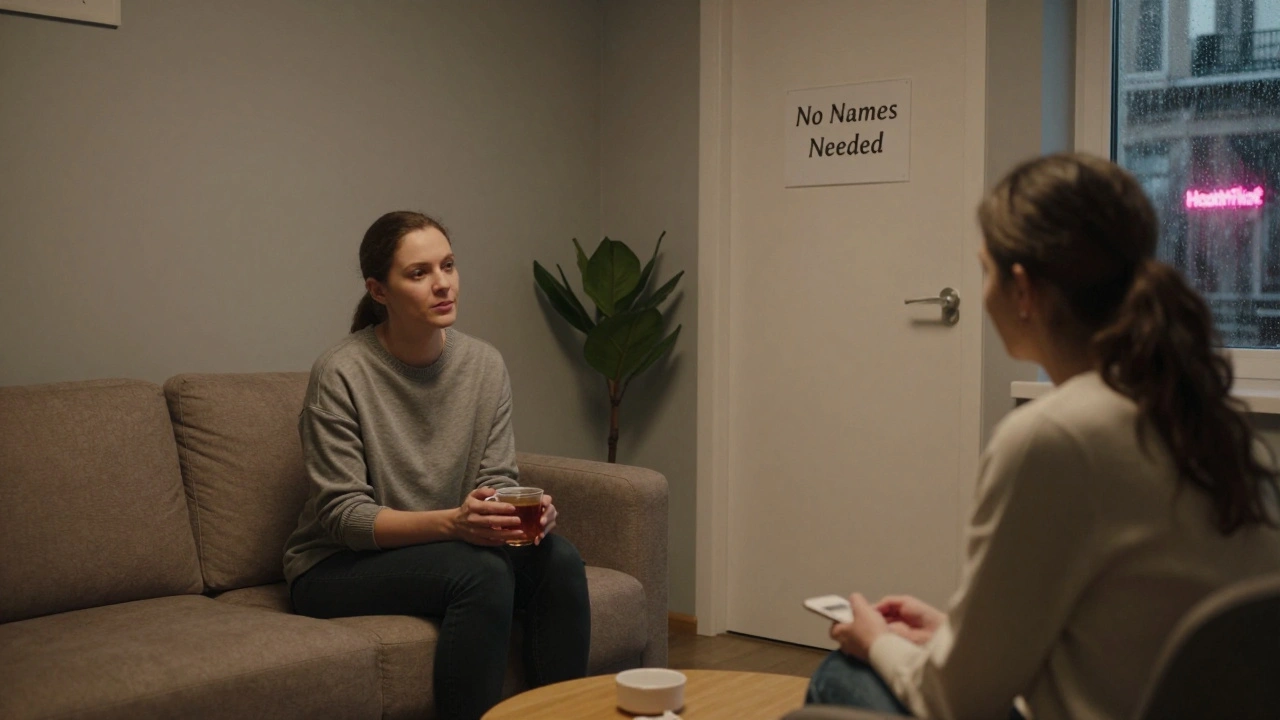
HealthFirst Russia focuses on mental health. Many workers suffer from depression or PTSD from past violence. Their counselors offer free sessions in private rooms, with no need to give real names. In 2024, 89% of participants said their anxiety improved after just three visits.
Clinics That Don’t Turn People Away
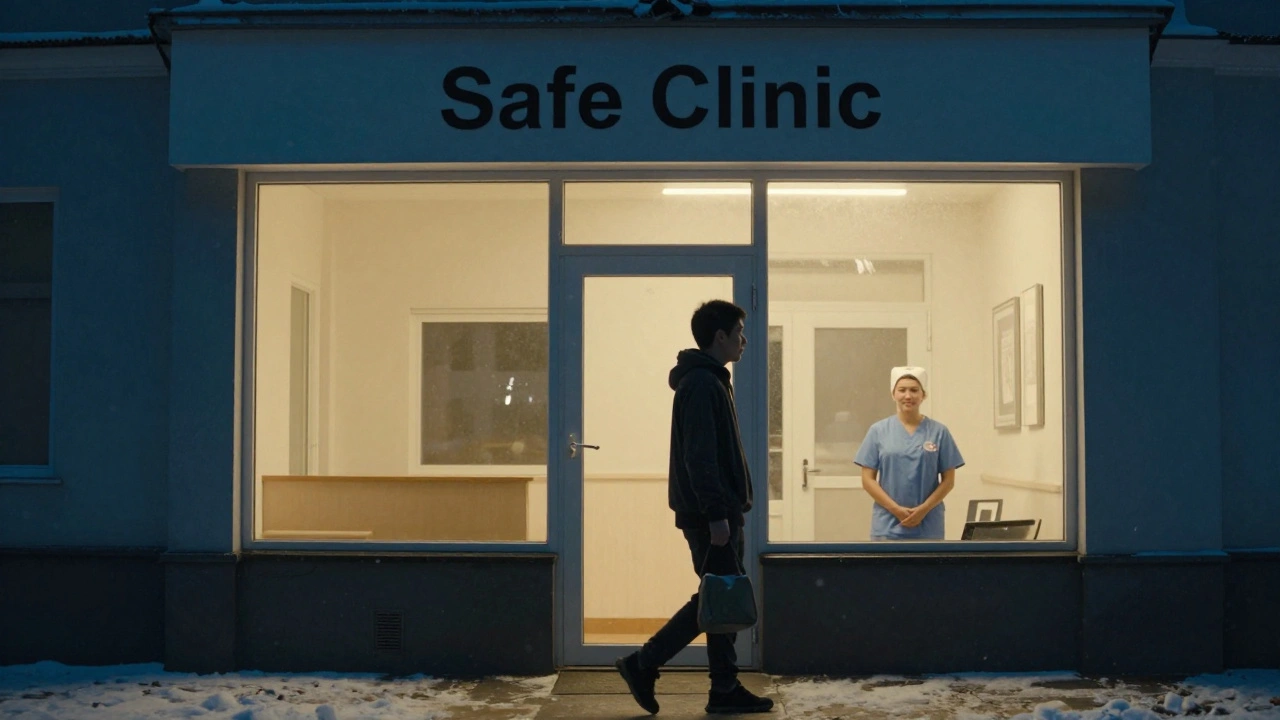
Most public clinics in Moscow won’t touch adult work cases. But a handful of private and NGO-run clinics have built trust.The Safe Clinic on Tverskaya is one of them. It’s open evenings and weekends, when workers are off duty. No ID required. No questions about income or residence. You walk in, get an STI panel, and leave with a prescription-if you need one. The staff speak multiple languages, including Uzbek, Azerbaijani, and Ukrainian, which helps migrant workers feel safe.
They also stock PrEP (pre-exposure prophylaxis) for HIV prevention. In 2024, 412 people picked up PrEP there. Of those, 73% had never accessed HIV prevention before. That’s not just a number-it’s lives saved.
Another clinic, Hope Point, offers free pregnancy testing and referrals to maternity care. Many workers don’t know they’re eligible for state prenatal services. Hope Point helps them navigate the bureaucracy, even if they’re undocumented. Last year, 32 babies were born to clients who got support there.
What’s Working-and What’s Not
These programs work because they’re designed by people who’ve lived this reality. Many staff members are former sex workers themselves. That’s not just a nice touch-it’s essential.One worker told a SafePath counselor: “I’ve been to five hospitals. They looked at me like I was dirty. You don’t. That’s why I come back.”
But funding is unstable. Most NGOs rely on small grants from international donors. Russian laws restrict foreign funding for “political” activities-and helping sex workers is often labeled as such. In 2023, one major NGO lost 60% of its budget overnight after being labeled a “foreign agent.”
Police raids still happen. Workers report being threatened with arrest if they don’t pay bribes. Some clinics have had their doors locked by local authorities under vague “sanitation” violations.
Even with all this, the numbers speak for themselves. Since 2020, HIV rates among sex workers in Moscow have dropped by 31%. STI detection rates have risen-not because more people are getting infected, but because more are getting tested. That’s progress.
What Change Still Needs to Happen
The biggest barrier isn’t lack of services-it’s fear. Fear of being outed. Fear of losing custody of children. Fear of deportation. Fear of being labeled a criminal.Decriminalization isn’t just a slogan here. It’s the missing piece. If advertising or working from home weren’t crimes, workers could use apps safely, report violence without hesitation, and access housing or banking without hiding who they are.
Some NGOs are pushing for policy change. SafePath has drafted a model law based on New Zealand’s approach-where sex work is regulated, not punished. They’ve shared it with three city council members. No one has responded yet.
But they keep going. Because they’ve seen what happens when you treat people like humans.
One young man from Kyrgyzstan, who started working to pay for his sister’s surgery, now volunteers at SafePath. He says: “I used to think I was broken. Now I know I’m just surviving. And that’s not a crime.”
How You Can Help
You don’t need to move to Moscow to make a difference. If you’re in a position to support, here’s what actually works:- Donate to NGOs that provide direct services-not advocacy groups that only lobby
- Amplify stories from workers themselves, not outsiders speaking for them
- Challenge the idea that sex work is always exploitation. For many, it’s survival-and survival deserves dignity
- Pressure international organizations to fund local, grassroots efforts, not top-down projects
Change doesn’t come from laws written in distant capitals. It comes from someone showing up, with clean gloves, a test kit, and no judgment.
That’s what’s happening in Moscow. And it’s working.
Is adult work legal in Moscow?
Sex work itself is not illegal in Russia, but advertising, soliciting, or organizing it is. This creates a dangerous gray zone where workers can’t access basic rights or protections without risking arrest. Many avoid police, hospitals, or even landlords out of fear.
Do NGOs in Moscow help only women?
No. While most clients are women, NGOs in Moscow also serve men, transgender individuals, and non-binary workers. Services like HIV testing, legal aid, and mental health counseling are offered to everyone regardless of gender identity.
Can undocumented workers access healthcare in Moscow?
Public hospitals often refuse undocumented people. But NGOs like Safe Clinic on Tverskaya and Hope Point offer free services without asking for ID, residency, or documentation. They treat everyone based on need, not paperwork.
Are these NGOs funded by the Russian government?
No. Most rely on small grants from international donors, private foundations, or individual contributions. Russian law restricts foreign funding for organizations deemed to engage in “political activity,” and helping sex workers often falls under that label. Many have lost funding or been forced to shut down.
What’s the biggest challenge these organizations face?
Fear. Fear among workers to seek help, fear among providers to operate openly, and fear among officials to acknowledge the issue. Without decriminalization, even the best services can’t reach everyone who needs them.