When people hear "adult work in Dubai," they often think of glamorous ads or hidden underground scenes. But behind those headlines are real people-many of them trapped, exploited, or forced into situations they never chose. Humanitarian agencies aren’t ignoring this. They’re working quietly, often under legal restrictions, to protect vulnerable individuals caught in the shadows of Dubai’s rapid growth.
Why Adult Work Exists in Dubai
Dubai’s economy runs on migrant labor. Over 90% of its population is foreign-born, mostly from South Asia, Southeast Asia, and East Africa. Many come hoping for jobs in construction, hospitality, or domestic work. But when wages are withheld, visas are revoked, or employers abuse their power, some end up turning to survival sex work. It’s not a choice-it’s a last resort.There’s no legal sex industry in the UAE. Prostitution is a criminal offense, punishable by deportation, fines, or jail. That means anyone doing adult work is operating illegally, with no protection from police, health services, or labor laws. They’re invisible to the system-even when they’re being abused.
How Humanitarian Groups Are Responding
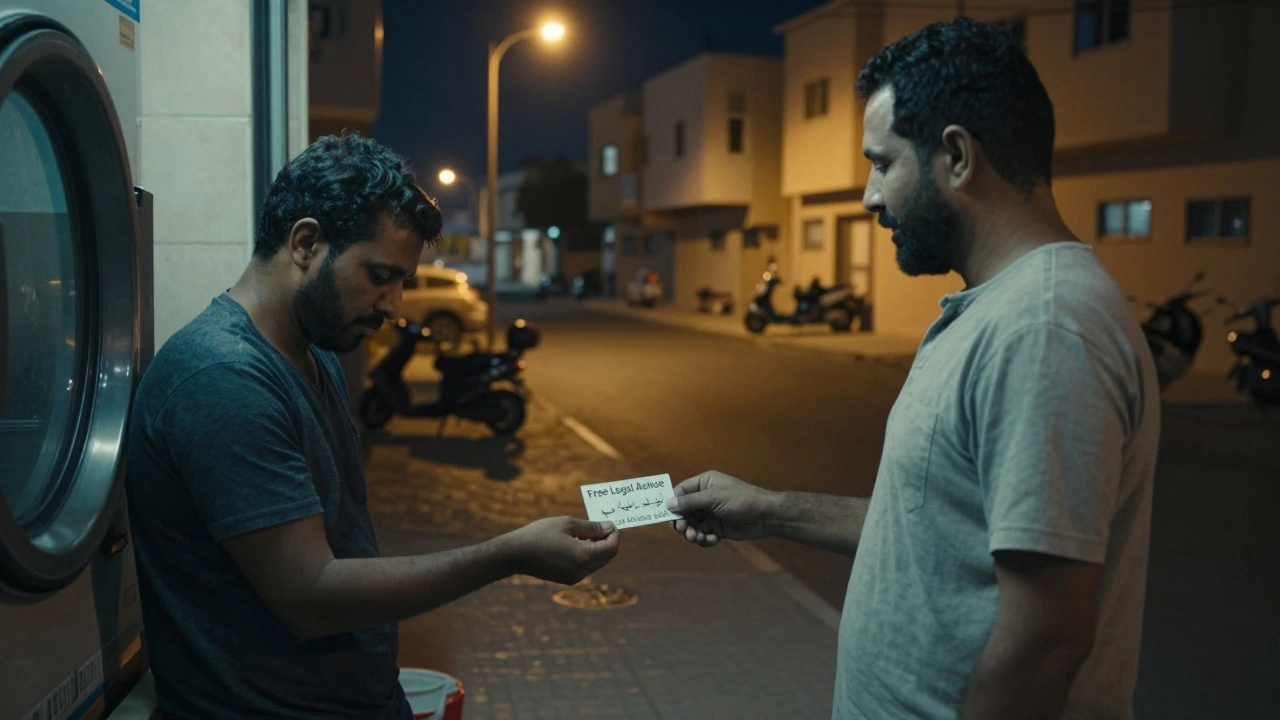
Organizations like the International Organization for Migration (IOM), the United Nations Office on Drugs and Crime (UNODC), and local NGOs such as the Dubai Foundation for Women and Children are stepping in. Their work isn’t about promoting adult work-it’s about reducing harm and offering real alternatives.One key effort is outreach in migrant worker neighborhoods like Al Quoz and Deira. Teams of social workers, often speaking Urdu, Tagalog, or Amharic, hand out safe contact cards with helplines. These cards don’t say "sex work help"-they say "free legal advice" or "wage recovery support." That’s intentional. People won’t approach a service if they think they’ll be arrested.
Another program connects people with exit pathways. If someone wants out of adult work, agencies help them get back pay owed by employers, secure safe housing, and access job training in fields like hospitality or retail. In 2024, one NGO helped 212 people transition out of survival sex work into formal employment. That’s not a small number-it’s a lifeline.
Legal Barriers Make Everything Harder
The UAE’s strict laws against prostitution make humanitarian work complicated. Agencies can’t openly advertise services for sex workers. They can’t collect data on how many people are involved because doing so might be seen as endorsing illegal activity. So, they work through indirect channels: partnering with clinics that treat STIs, working with shelters that house abused domestic workers, or training taxi drivers to recognize signs of exploitation.Even when someone calls for help, police aren’t always allies. In some cases, people reporting abuse are treated as criminals first. That’s why NGOs focus on building trust with community leaders-mosque imams, labor union reps, and even hotel managers-who can quietly refer people to help without triggering law enforcement.
Health and Safety Are the Priority
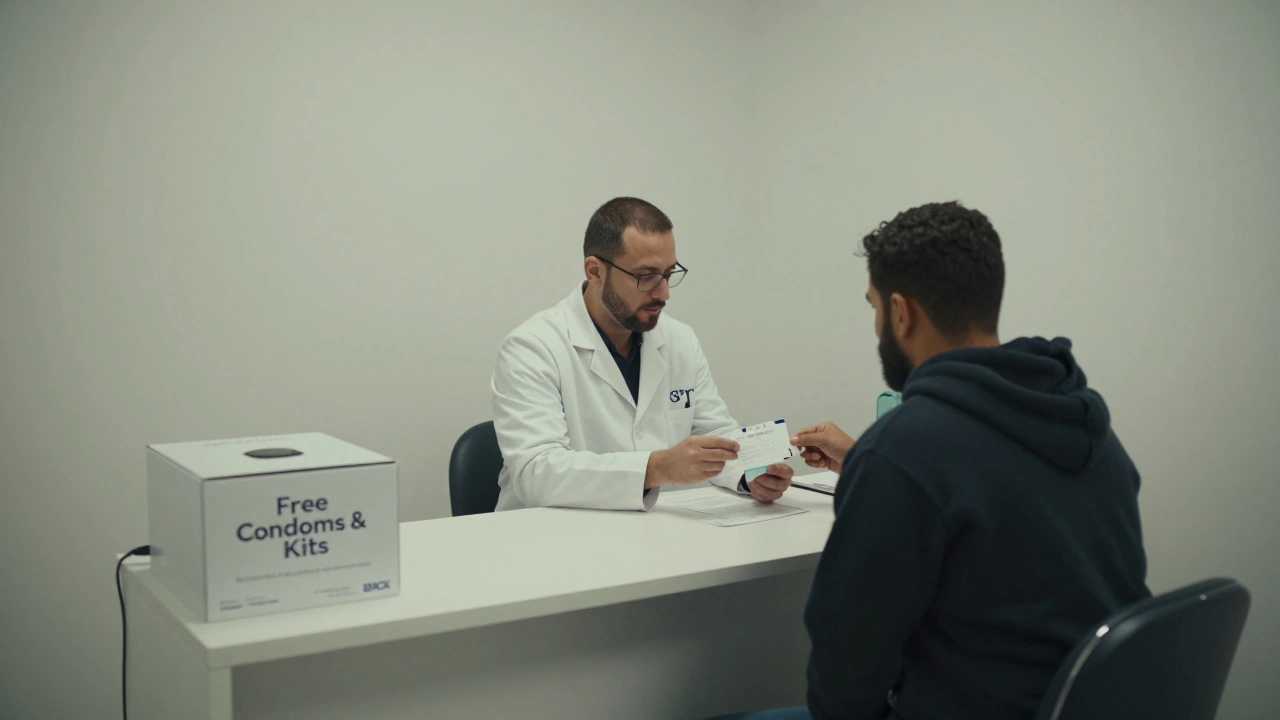
Without access to condoms or regular health checks, people in adult work are at high risk for HIV, hepatitis, and other infections. Some NGOs partner with private clinics that offer anonymous testing and treatment. These clinics don’t ask for ID. They don’t report to authorities. They just provide care.In 2023, a pilot program in Dubai distributed over 45,000 free condoms and 12,000 STI test kits through discreet drop boxes in laundromats, mosques, and bus stops. The uptake was high. People trusted the anonymity. And when someone tested positive, case workers followed up with treatment and counseling-not punishment.
What’s Missing
There’s a big gap: long-term housing and psychological support. Many people who leave adult work have no family to return to. Their home countries may not welcome them back, especially if they’re stigmatized. Some NGOs have started small transitional homes, but there are only 17 beds available across the entire UAE. Demand is far higher.Also missing are programs for men and transgender individuals. Most aid efforts focus on women, but men and non-binary people also do adult work in Dubai-and they face even greater stigma and fewer resources. One group in Sharjah is starting to train peer advocates from these communities, but funding is tight.
How You Can Help
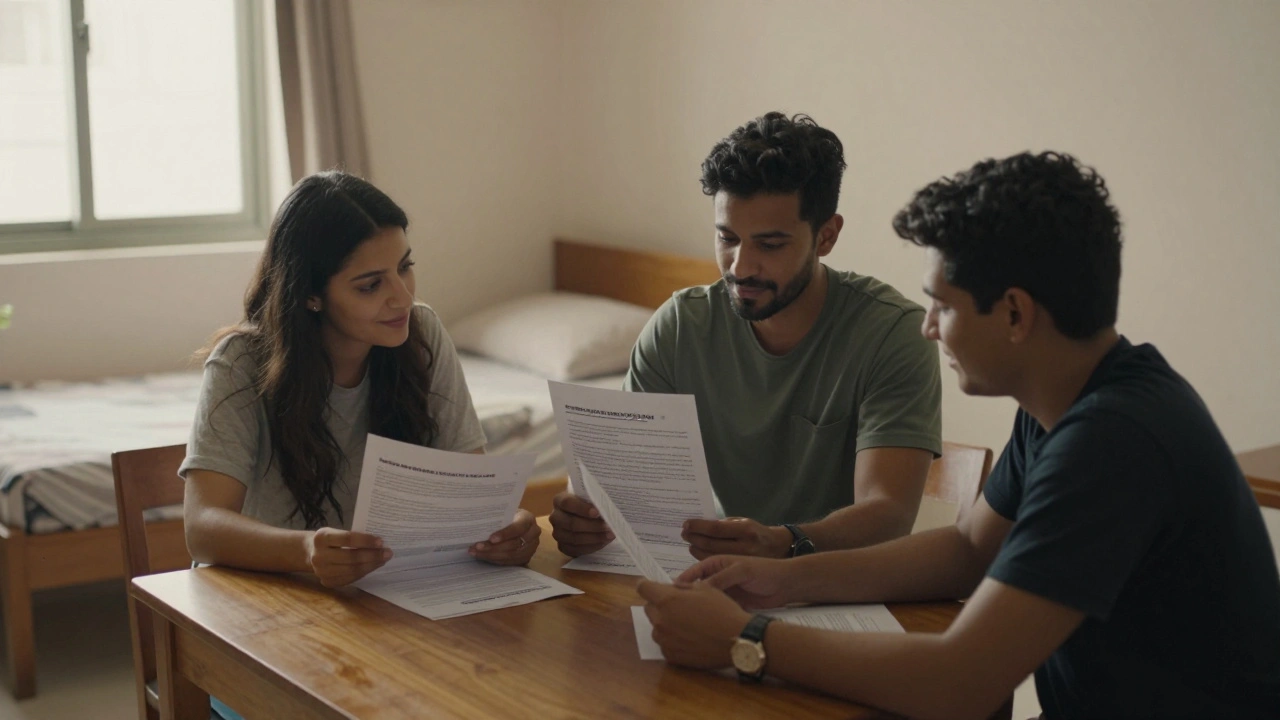
You don’t need to fly to Dubai to make a difference. Donating to verified NGOs like IOM’s UAE programs or the Dubai Foundation for Women and Children helps fund outreach, legal aid, and safe housing. You can also raise awareness-without sensationalizing it. Share facts, not rumors. Challenge the idea that people in adult work are "choosing" it. Most aren’t.Pressure on companies that rely on migrant labor also matters. If you’ve ever booked a hotel in Dubai, flown with Emirates, or bought something from a Dubai-based brand, you’ve benefited from this system. Ask those companies: Do you check if your subcontractors pay workers fairly? Do you have a policy to protect vulnerable staff? That kind of accountability changes things.
It’s Not About Erasing the Problem-It’s About Changing the System
Humanitarian groups aren’t trying to shut down adult work overnight. They know that won’t work. Instead, they’re working to remove the conditions that force people into it: poverty, exploitation, lack of legal rights, and isolation.The goal isn’t to make adult work legal. The goal is to make sure no one has to do it to survive.
Is adult work legal in Dubai?
No, adult work, including prostitution and sex work, is illegal in Dubai and throughout the UAE. It’s considered a criminal offense under federal law. People involved can face fines, imprisonment, or deportation. Because of this, those doing adult work have no legal protections and are often afraid to seek help.
Why don’t police help people in adult work?
Police in Dubai are required to enforce laws against prostitution, so they often treat people in adult work as offenders rather than victims. This makes it dangerous to report abuse or exploitation. Humanitarian groups avoid involving police directly and instead build trust with community leaders and health workers who can offer help without triggering legal consequences.
How do humanitarian agencies reach people in adult work?
They use discreet, non-threatening methods: distributing safe contact cards in places like laundromats and bus stops, training taxi drivers and hotel staff to recognize signs of exploitation, and partnering with clinics that offer anonymous health services. Outreach workers often speak the same languages as the communities they serve-Urdu, Tagalog, Amharic-to build trust.
Can someone get out of adult work in Dubai?
Yes, but it’s difficult. Some NGOs help people access back wages, safe housing, job training, and legal support. In 2024, over 200 people successfully transitioned out of adult work into formal jobs like housekeeping, retail, or food service. The biggest barriers are lack of housing, fear of deportation, and stigma-both from society and their own families.
Are men and transgender people included in aid efforts?
Most aid programs focus on women, but men and transgender individuals also do adult work in Dubai and face even greater isolation. A small number of NGOs, like one in Sharjah, are beginning to train peer advocates from these communities. Funding is limited, and services are scarce, but awareness is growing.
What can I do to support people affected by adult work in Dubai?
Donate to verified NGOs like the International Organization for Migration (IOM) or the Dubai Foundation for Women and Children. Raise awareness without stigmatizing. Ask companies you support-hotels, airlines, retailers-if they ensure fair labor practices in their supply chains. Pressure for ethical business can reduce the exploitation that pushes people into adult work.