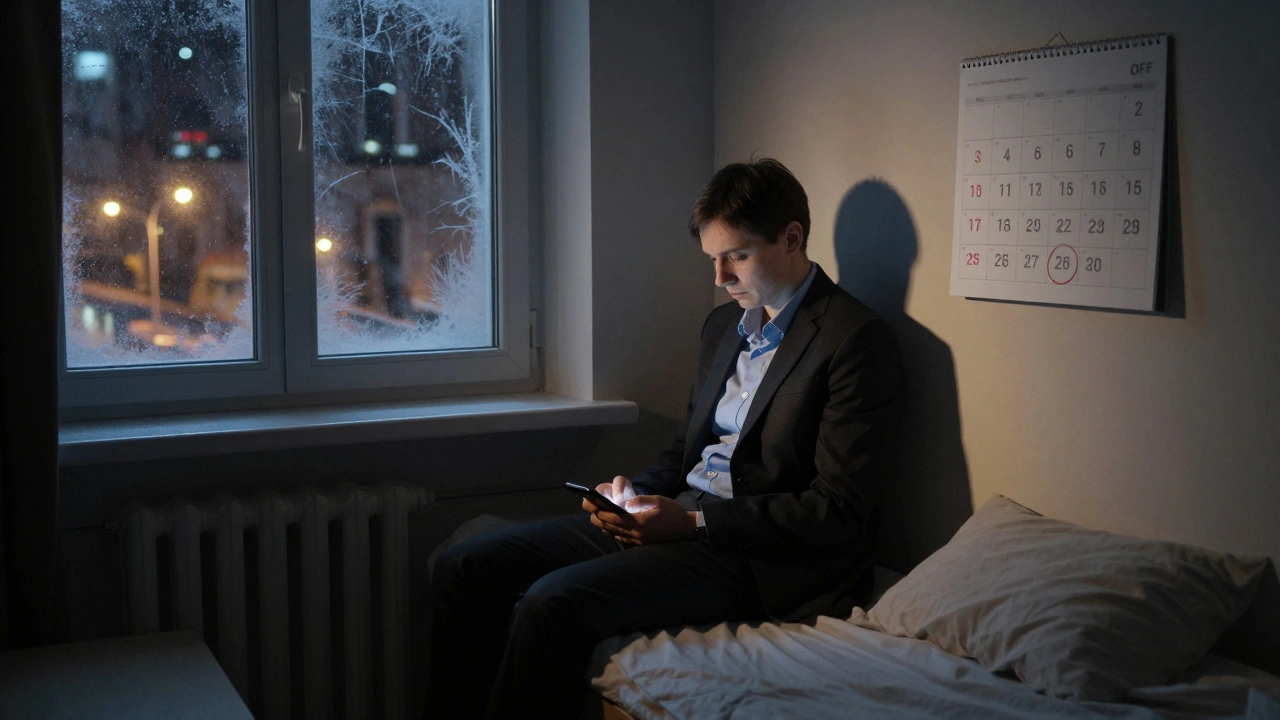
Working in adult services in Moscow isn’t just about meeting clients. It’s about managing exhaustion, isolation, and emotional fatigue that build up quietly-until you can’t get out of bed in the morning, or you stop answering messages for days. You’re not weak. You’re human. And burnout doesn’t care how tough you think you are.
Why Burnout Hits Harder in Moscow’s Adult Work Scene
Moscow’s adult work environment moves fast. Clients expect availability 24/7. Booking platforms push for more sessions, longer hours, and lower prices. Social stigma means many can’t talk about their work with friends or family. There’s no HR department to check in on you. No sick days paid out. If you don’t work, you don’t eat.
A 2024 survey of 312 independent workers in Moscow’s adult industry found that 68% reported feeling emotionally drained at least three times a week. Nearly half said they’d skipped meals or sleep to meet demand. Only 12% had a regular routine for rest or emotional recovery.
This isn’t about laziness. It’s about systems that don’t protect you. And without intentional self-care, burnout doesn’t just slow you down-it ends your career.
Self-Care Isn’t Bubble Baths-It’s Survival
When people say “self-care,” they often picture candles and face masks. That’s nice. But real self-care for adult work professionals in Moscow is about rebuilding your nervous system after daily emotional labor.
Here’s what actually works:
- Set hard boundaries on work hours. Pick a cutoff time-say, 10 PM-and stick to it. No exceptions. Even if a client offers double pay. Your body needs recovery time.
- Use a calendar, not your memory. Block out rest days like appointments. One full day off every week. No calls, no texts, no scrolling through booking apps.
- Get physical movement daily. You don’t need a gym. Walk 30 minutes. Stretch. Dance in your apartment. Movement resets your stress hormones better than any supplement.
- Find one person you can talk to. Not just about work. About movies. About your childhood. About how tired you are. It doesn’t have to be another worker. It could be a therapist, a neighbor, a support group. Just one.
- Turn off notifications after 8 PM. Your phone is a demand machine. Silence it. Let your brain rest.
These aren’t luxuries. They’re non-negotiables if you want to keep working without breaking.
How to Spot Burnout Before It’s Too Late
Burnout doesn’t show up with a bang. It creeps in like fog.
Watch for these signs:
- You feel numb during sessions-like you’re watching yourself from outside your body.
- You’ve stopped enjoying things you used to love: music, food, hanging out.
- You’re irritable with clients, even when they’re kind.
- You’re forgetting simple things: appointments, names, where you put your keys.
- You feel guilty when you’re not working-even on your day off.
If you recognize two or more of these, you’re already in early burnout. Don’t wait for panic attacks or insomnia to force you to act.
Building a Personal Recovery Routine
Recovery isn’t a one-time fix. It’s a daily practice.
Here’s a simple routine that works for many in Moscow:
- First 10 minutes after a session: Sit quietly. Breathe. Don’t check your phone. Just feel your body. Say out loud: “That’s done. I’m safe.”
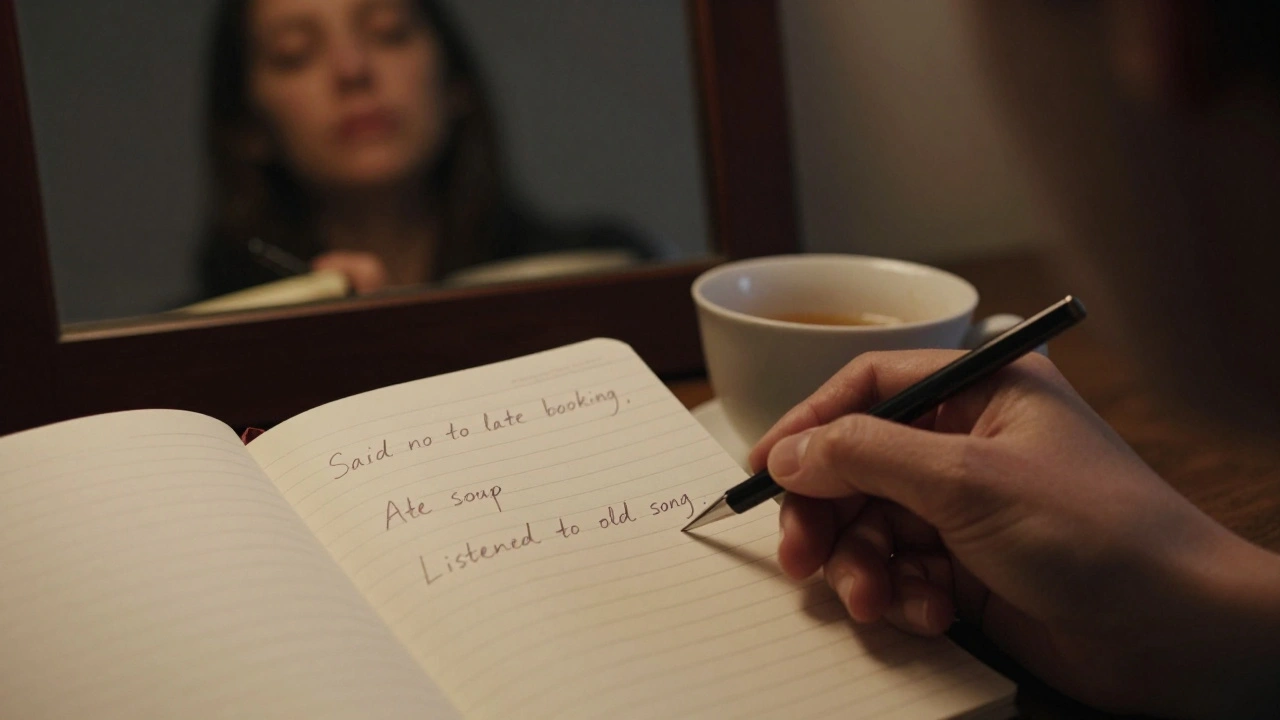
- Every evening: Write down three things you did well that day-even small ones. “I said no to a late booking.” “I ate something healthy.”
- Every Sunday: Do one thing purely for pleasure. No purpose. No profit. Watch a silly show. Eat ice cream. Call your cousin. Just enjoy.
- Once a month: Take a full 24-hour digital detox. No apps. No screens. Just you, your thoughts, and maybe a book or a walk.
This isn’t about being productive. It’s about remembering you’re more than your work.
Where to Find Support in Moscow
You don’t have to do this alone. There are quiet networks here.
There’s a private Telegram group for adult workers in Moscow with over 1,200 members. They share tips on safe clients, legal advice, and mental health resources. No names. No photos. Just support.
There’s also a free counseling service run by a local NGO, Human Rights for Workers a Moscow-based nonprofit offering confidential mental health support to sex workers and adult industry professionals. They have therapists who speak Russian and English, and they don’t report to police.
Even a single conversation with someone who gets it can change your whole week.
What Happens When You Ignore Burnout
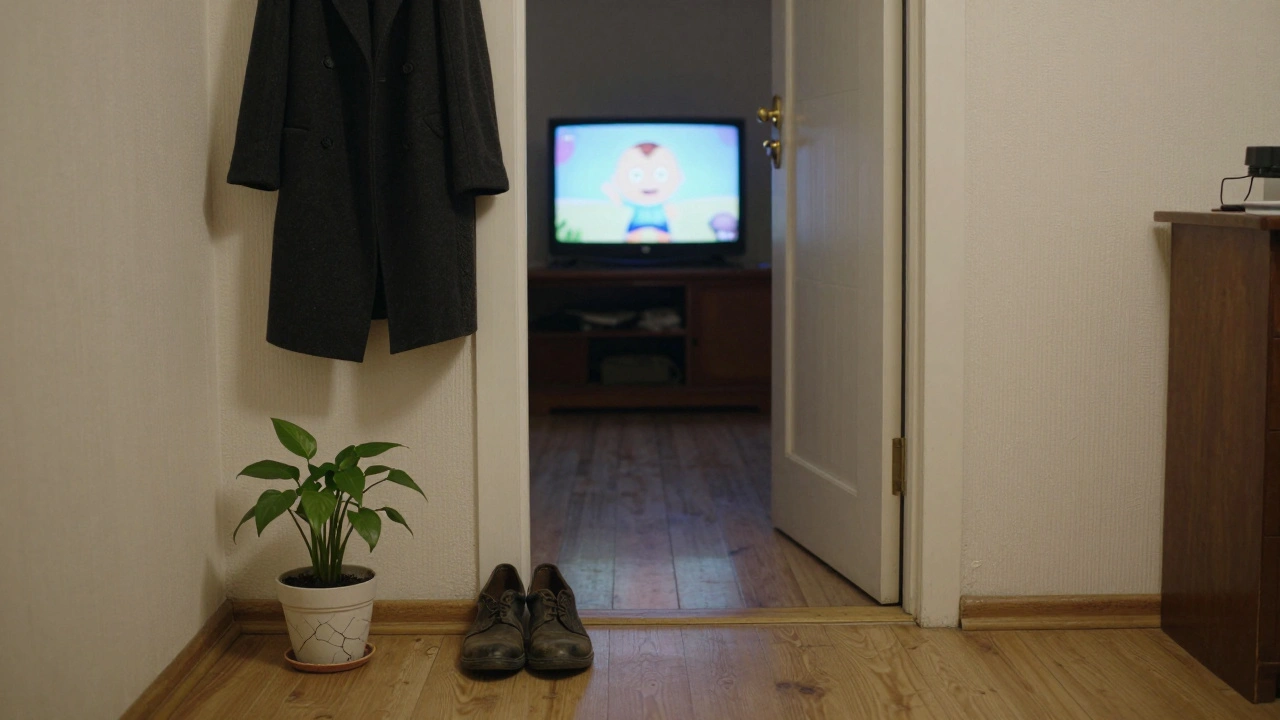
One worker, Lena, told me she kept going for 14 months without a day off. She stopped eating regularly. She started crying in the shower every night. One morning, she couldn’t get up. She missed three bookings. Her income dropped 70%. She spent two weeks in bed, terrified she’d lost everything.
She didn’t quit. She rebuilt. But it took six months to get back to where she was.
Burnout doesn’t make you lazy. It makes you exhausted. And recovery takes time. The sooner you start, the less you lose.
Small Changes, Big Results
You don’t need to overhaul your life. Just pick one thing.
Maybe it’s turning off your phone after 9 PM.
Maybe it’s eating lunch without scrolling.
Maybe it’s saying “no” to one client who always drains you.
Do that one thing. Then do it again tomorrow. And the next day.
That’s how you survive. That’s how you stay in control. That’s how you keep working-not because you have to, but because you choose to.
It’s Not About Being Stronger-It’s About Being Smarter
The most successful workers in Moscow aren’t the ones who work the most hours. They’re the ones who rest the most intentionally.
They know their value isn’t tied to their availability. Their worth isn’t measured by how many clients they can fit in a day.
Your body isn’t a machine. It’s a living system. And systems need care to keep running.
Take care of yourself-not because you deserve it, but because you need it to keep doing what you do.
How do I know if I’m burned out or just tired?
Tiredness goes away after sleep. Burnout stays. If you’re still drained after a full day off, feel numb during work, or can’t enjoy things you used to love, you’re likely burned out. It’s not just physical-it’s emotional and mental exhaustion that doesn’t reset with rest alone.
Can I still work if I’m feeling burned out?
You can, but it’s risky. Working while burned out leads to mistakes, unsafe decisions, and longer recovery times. If you’re feeling detached, irritable, or exhausted, cut back. Even one less session a week gives your nervous system space to heal. Your career will last longer if you protect your energy.
Is self-care selfish when I need the income?
No. Skipping rest to earn more is like driving a car until the engine dies. You’ll lose more income in the long run. Self-care isn’t about taking time off-it’s about working smarter so you can keep working. One rest day a week might mean two fewer bookings, but it also means you’re present, focused, and safer during the ones you do take.
What if I don’t have time for self-care?
You don’t need hours. Start with 5 minutes. Breathe before you start a session. Drink water instead of coffee. Put your phone on silent for an hour. Small actions add up. Self-care isn’t about grand gestures-it’s about consistent, tiny acts of protection.
Are there free mental health resources in Moscow for adult workers?
Yes. Human Rights for Workers a Moscow-based nonprofit offering confidential mental health support to sex workers and adult industry professionals offers free, anonymous counseling in Russian and English. There’s also a private Telegram group with over 1,200 members where workers share advice, resources, and emotional support without sharing names or locations.