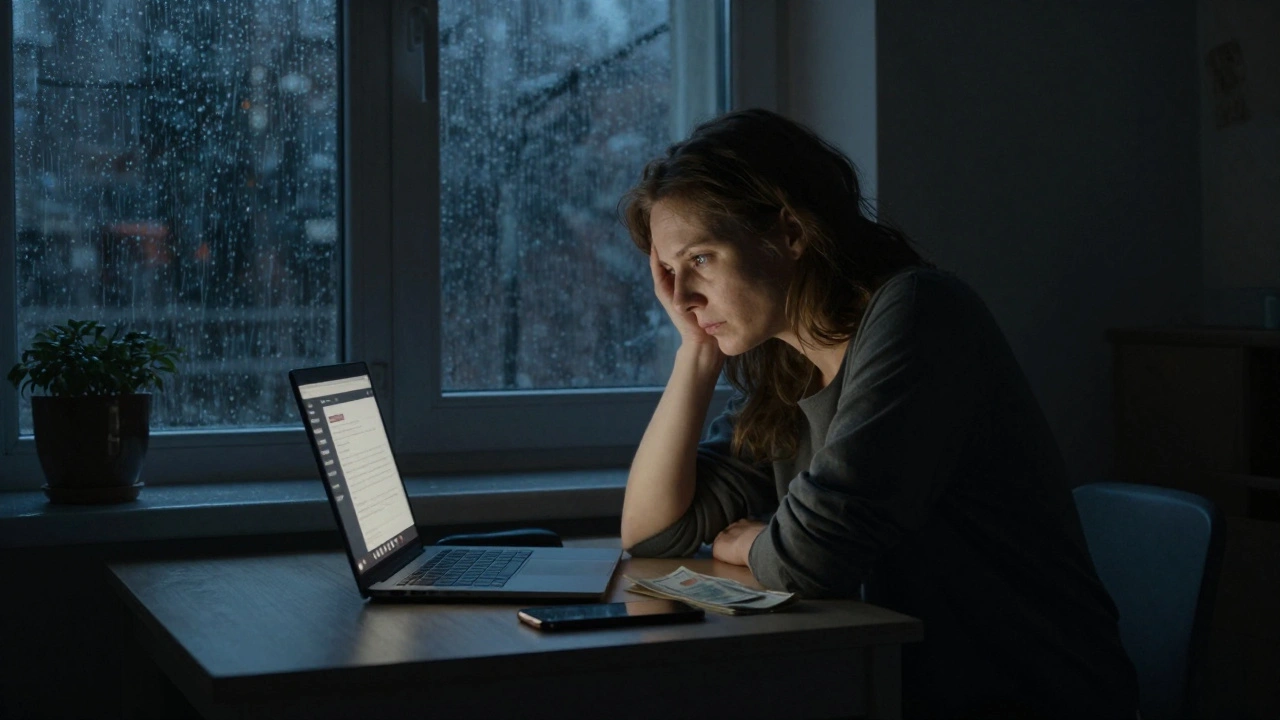
In Moscow, adult work exists in a legal gray zone-neither fully legal nor fully criminalized, but constantly under pressure. While selling sex isn’t technically illegal in Russia, everything that supports it-advertising, operating from a fixed location, or working with others-is. This creates a system where sex workers are forced into isolation, vulnerability, and fear of police raids, client violence, or extortion. The reality isn’t about morality; it’s about survival. And for years, a quiet but determined movement has been pushing for change through advocacy and policy reform.
How the Law Actually Works in Moscow
The Russian Criminal Code doesn’t punish the act of exchanging sex for money. But Article 241 makes it a crime to organize or manage prostitution. That means if two people agree to meet for sex, it’s not illegal. But if a worker uses a website like AdultWork Moscow to list their services, or shares an apartment with another worker to save on rent, or even just takes a friend to help with security, they’re breaking the law. The state doesn’t go after clients-it goes after anyone who makes the work safer or more visible.
Police raids on apartments and hotels are common. Workers are fined, their phones and bank cards seized, and sometimes forced to sign statements admitting to ‘organizing prostitution’-even if they’ve never worked with anyone else. In 2023, Human Rights Watch documented 142 such cases in Moscow alone, with over 60% of those arrested reporting physical or verbal abuse during detention.
Who Are the Advocates Fighting for Change?
The movement isn’t led by politicians or NGOs with big budgets. It’s led by former sex workers, lawyers who take pro bono cases, and a handful of grassroots collectives. One of the most active is Open Door Moscow, founded in 2020 by a former escort who spent six months in detention after a client reported her for ‘running a brothel.’ She didn’t have a brothel-she worked alone, used a pseudonym, and never met clients in the same place twice. But the law didn’t care.
Open Door Moscow now runs a helpline, offers free legal aid, and trains workers on how to document police misconduct. They’ve helped over 300 people since 2021. Their biggest win? Getting a court in 2024 to throw out a charge against a worker who was arrested after a client called the police. The judge ruled that simply advertising services online didn’t constitute ‘organization’ under the law. It was a narrow victory, but it set a precedent.
Policy Reform Isn’t About Legalization-It’s About Decriminalization
Most advocates in Moscow aren’t asking for legalization like in Germany or the Netherlands. They’re asking for decriminalization: remove the laws that punish workers for doing what’s necessary to stay safe. That means allowing online ads, letting workers share safe spaces, and letting them report violence without fear of being arrested themselves.
There’s a clear pattern: when sex workers can work in groups, use verified platforms, and have access to health services, rates of violence drop. A 2022 study by the Moscow Public Health Institute found that workers who used online platforms like AdultWork Moscow had 42% fewer violent incidents than those who relied on street-based work. Why? Because they could screen clients, avoid isolated locations, and build peer networks.
Yet the government keeps pushing ‘rescue’ programs that force workers into shelters or rehabilitation centers-often without consent. These programs rarely offer real alternatives. Many women who’ve gone through them say they were pressured to leave sex work without being given job training, housing, or financial support. They returned to the streets within weeks.
What’s Holding Back Real Change?
The biggest obstacle isn’t public opinion-it’s political fear. Politicians don’t want to be seen as ‘pro-prostitution.’ Even if they privately agree that the current system is broken, they won’t risk backlash. The Orthodox Church, conservative media, and nationalist groups all frame sex work as a moral crisis, not a labor issue.
International pressure hasn’t helped much either. The UN and EU have repeatedly called on Russia to decriminalize sex work, citing human rights standards. But Moscow dismisses these as Western interference. The government prefers to point to ‘traditional values’ and claim that decriminalization would ‘undermine family structure.’ The truth? Most sex workers in Moscow are single mothers, students, or women fleeing abusive relationships. They aren’t breaking society-they’re trying to survive it.
What’s Working: Grassroots Tactics That Are Making a Difference
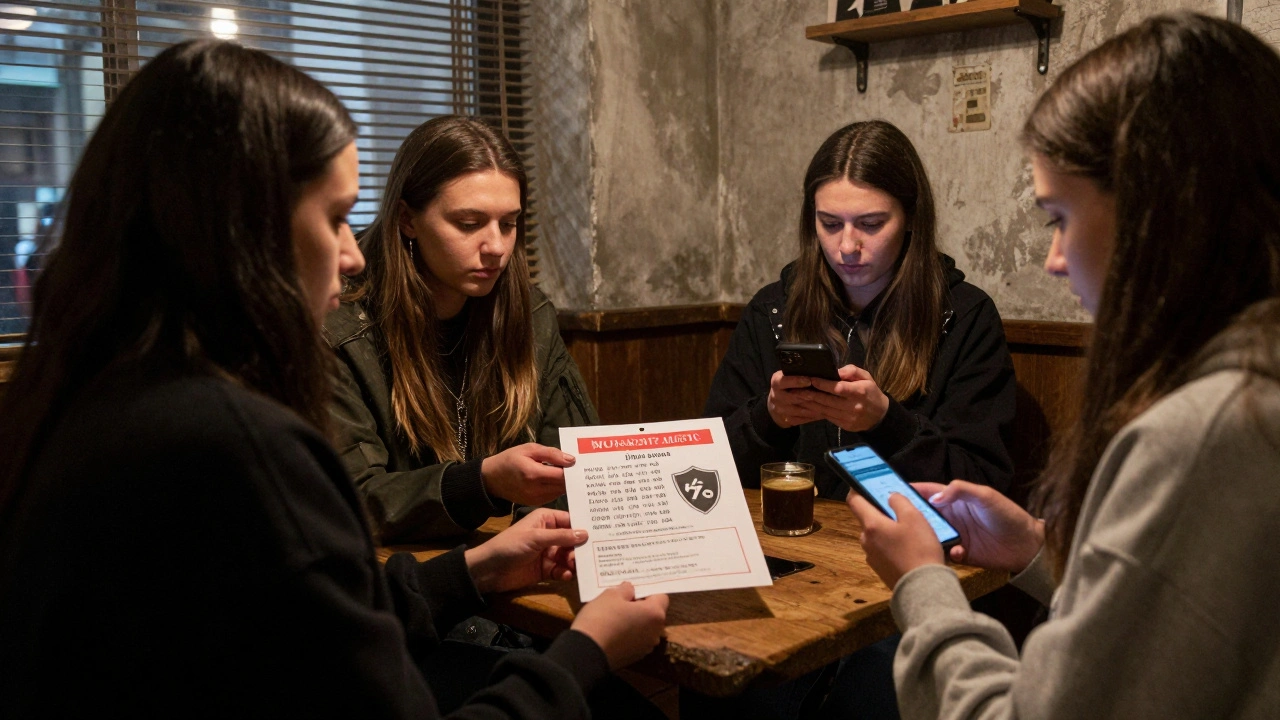
Without official support, advocates have gotten creative. One group started a Telegram channel where workers can share client names, warning others about violent or abusive people. It’s unofficial, but it’s saved lives. Another collective runs a monthly workshop on digital security-how to use encrypted messaging, avoid location tracking, and protect bank accounts.
Some workers have even started publishing their own stories. In 2023, a former worker named Elena published a memoir titled ‘No One Asked Me’. It became an underground bestseller. She wrote about being arrested after a client lied about her age, about losing her apartment because the landlord found out what she did, and about how a lawyer from Open Door Moscow helped her get her phone back-along with $8,000 in lost income.
These stories matter. They humanize the issue. And slowly, they’re shifting perceptions. In 2024, a survey by the Levada Center found that 37% of Muscovites now believe sex workers should have legal protections. That’s up from 19% in 2020.
The Road Ahead: What Needs to Happen Next
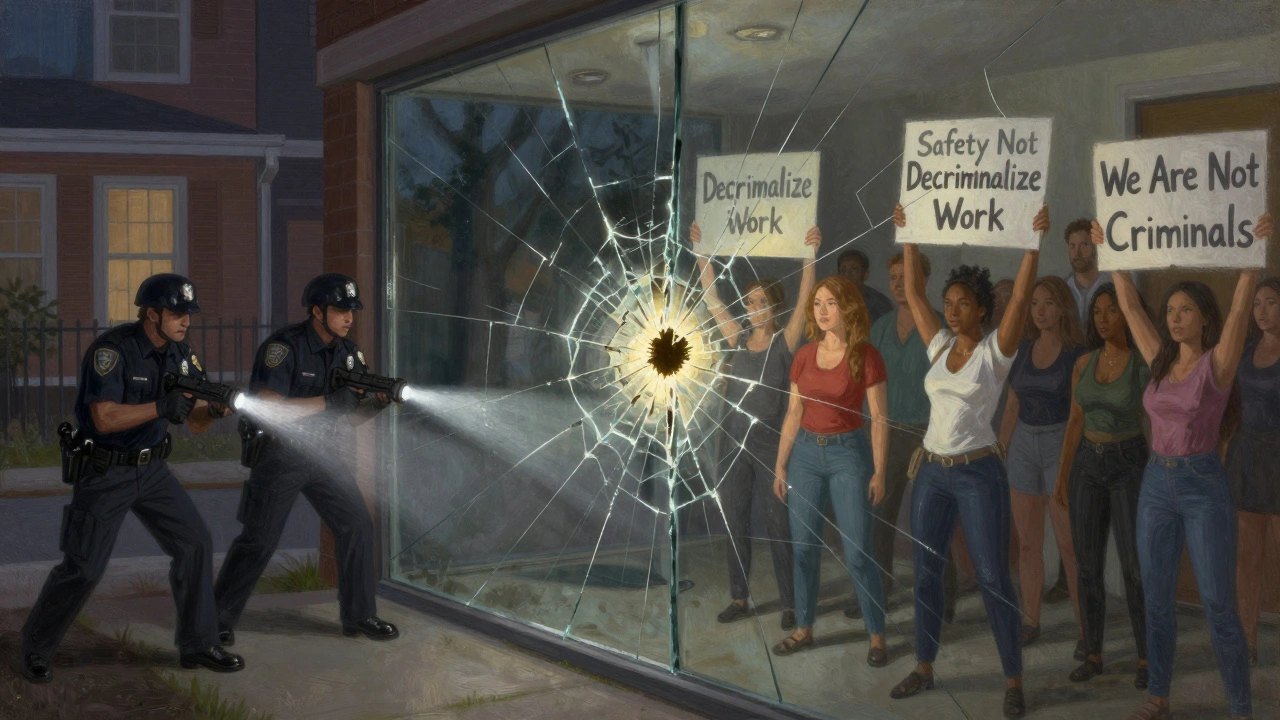
Change won’t come from the top. It will come from pressure-from lawyers filing appeals, from workers speaking out, from allies in the media and arts community amplifying their voices. Here’s what needs to happen:
- Remove Article 241’s vague language that criminalizes ‘organization’-replace it with protections for workers who work together for safety.
- Decriminalize online advertising and payment platforms-don’t punish workers for using tools everyone else uses.
- Create a safe reporting system so workers can file complaints about violence without fear of arrest.
- Fund peer-led health and legal support programs, not state-run ‘rescue’ centers.
- Train police on human rights standards for sex workers-no more raids based on suspicion alone.
None of this is radical. It’s basic labor rights. In Canada, where sex work is decriminalized under the Bedford ruling, violence against sex workers dropped by 30% in the first three years. In New Zealand, where full decriminalization happened in 2003, sex workers report higher levels of safety and access to healthcare. Russia doesn’t need to copy them-but it can learn from them.
Why This Matters Beyond Moscow
This isn’t just about Moscow. It’s about how societies treat people who do work others refuse to acknowledge. When we criminalize survival, we don’t stop sex work-we make it more dangerous. And when we silence the voices of those doing it, we lose the only people who truly understand what needs to change.
The workers in Moscow aren’t asking for permission. They’re asking for dignity. And the fact that they’re still speaking up, still organizing, still helping each other despite the risks-that’s the real story. Not the headlines about raids or arrests. The quiet, relentless fight for the right to work safely.
Is sex work legal in Moscow?
Selling sex isn’t illegal in Moscow, but anything that makes it safer or more visible is. Advertising online, sharing a space with another worker, or working with a manager can lead to arrest under Article 241 of the Russian Criminal Code, which criminalizes ‘organizing prostitution.’ This creates a system where workers are forced into isolation and danger.
What is the difference between legalization and decriminalization?
Legalization means the government regulates sex work like a business-with licenses, inspections, and strict rules. Decriminalization removes criminal penalties entirely, so workers aren’t arrested for things like advertising, working together, or renting a room. Decriminalization focuses on safety and rights, not control. Most advocates in Moscow support decriminalization, not legalization.
Why don’t sex workers just leave the industry?
Many do-but not because they want to. Most stay because they have no other options. Rent in Moscow is high, wages are low, and job opportunities for women with no formal education or with criminal records (even from minor arrests) are extremely limited. Some are single mothers. Others are escaping abuse. Leaving isn’t a choice if there’s nowhere else to go.
How can people outside Russia support sex workers in Moscow?
Support organizations like Open Door Moscow through donations or by amplifying their work on social media. Avoid spreading stigma by using language that respects their humanity-don’t call them ‘victims’ unless they say so. Challenge the idea that sex work is inherently exploitative. Most workers want safety, not rescue. Listen to their voices, not just the politicians or NGOs speaking for them.
Are there any recent legal victories for sex workers in Moscow?
Yes. In early 2024, a Moscow court dismissed charges against a worker who was arrested for advertising on AdultWork Moscow. The judge ruled that simply listing services online doesn’t meet the legal definition of ‘organizing prostitution.’ It was the first time a court in Russia made this distinction. While it’s not binding nationwide, it’s a powerful precedent.
What Comes Next?
If you’re reading this because you’re connected to the industry-whether as a worker, a supporter, or just someone who wants to understand-know this: change is slow, but it’s happening. Every time a worker speaks up, every time a lawyer files an appeal, every time someone shares a story, the walls of silence crack a little wider.
The goal isn’t to make adult work glamorous. It’s to make it safe. And that’s a fight worth joining.